Castle Garden
—
June 28 - September 12, 2021
Sturt Haaga Gallery, Descanso Gardens
La Cañada Flintridge, CA
Castle Garden
—
June 28 - September 12, 2021
Sturt Haaga Gallery, Descanso Gardens
La Cañada Flintridge, CA
Castle Garden
—
June 28 - September 12, 2021
Sturt Haaga Gallery, Descanso Gardens
La Cañada Flintridge, CA
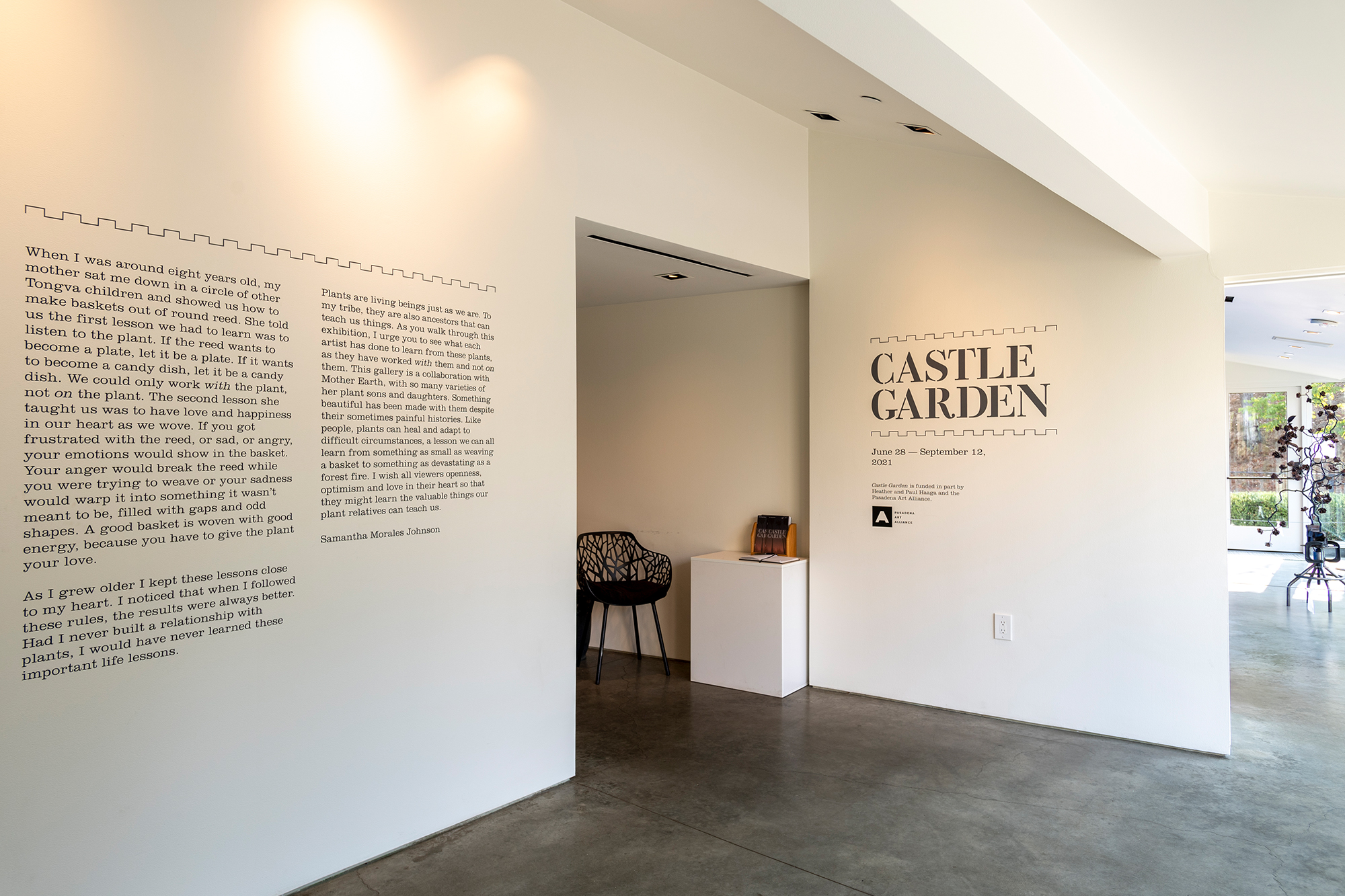
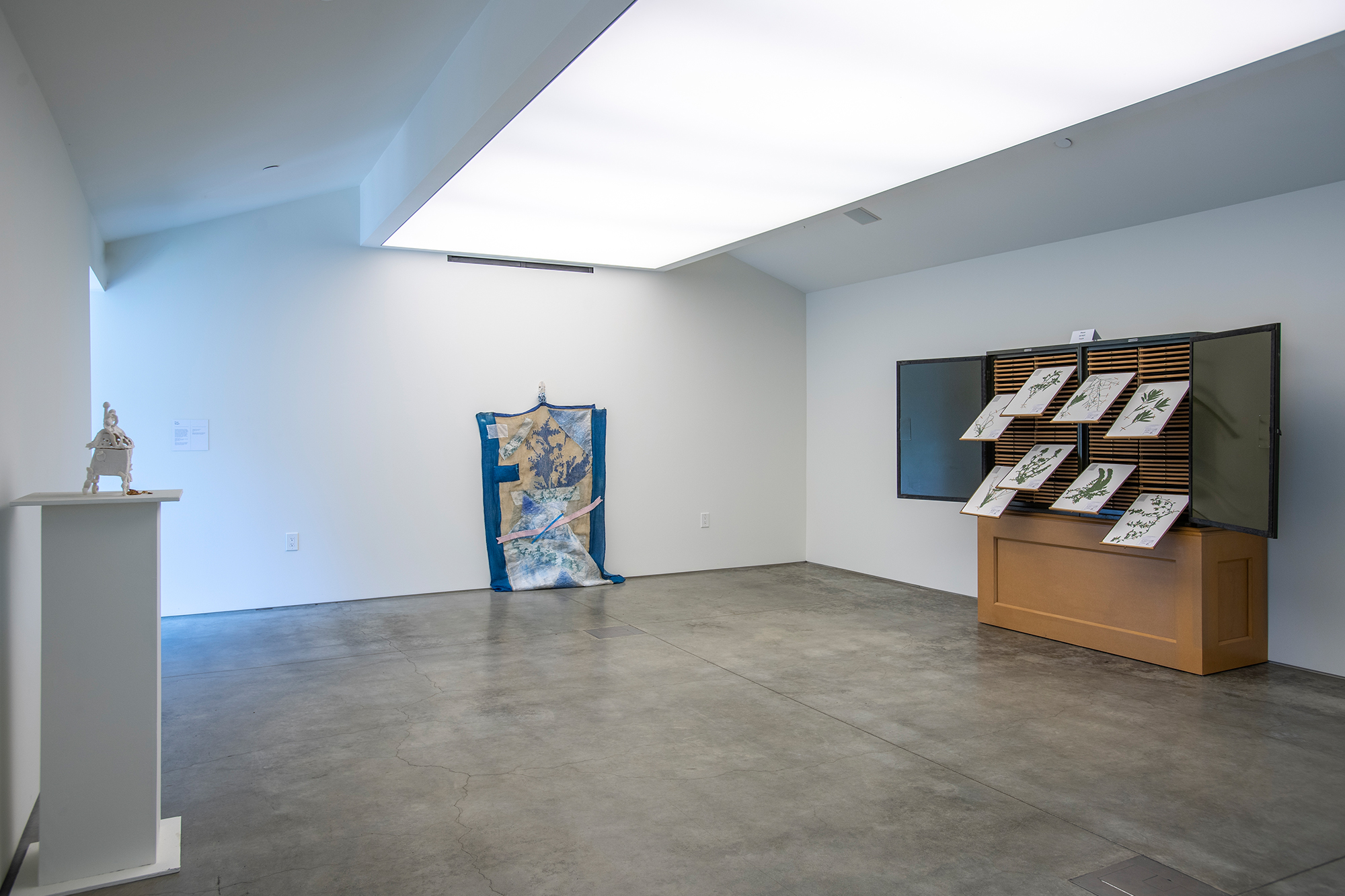
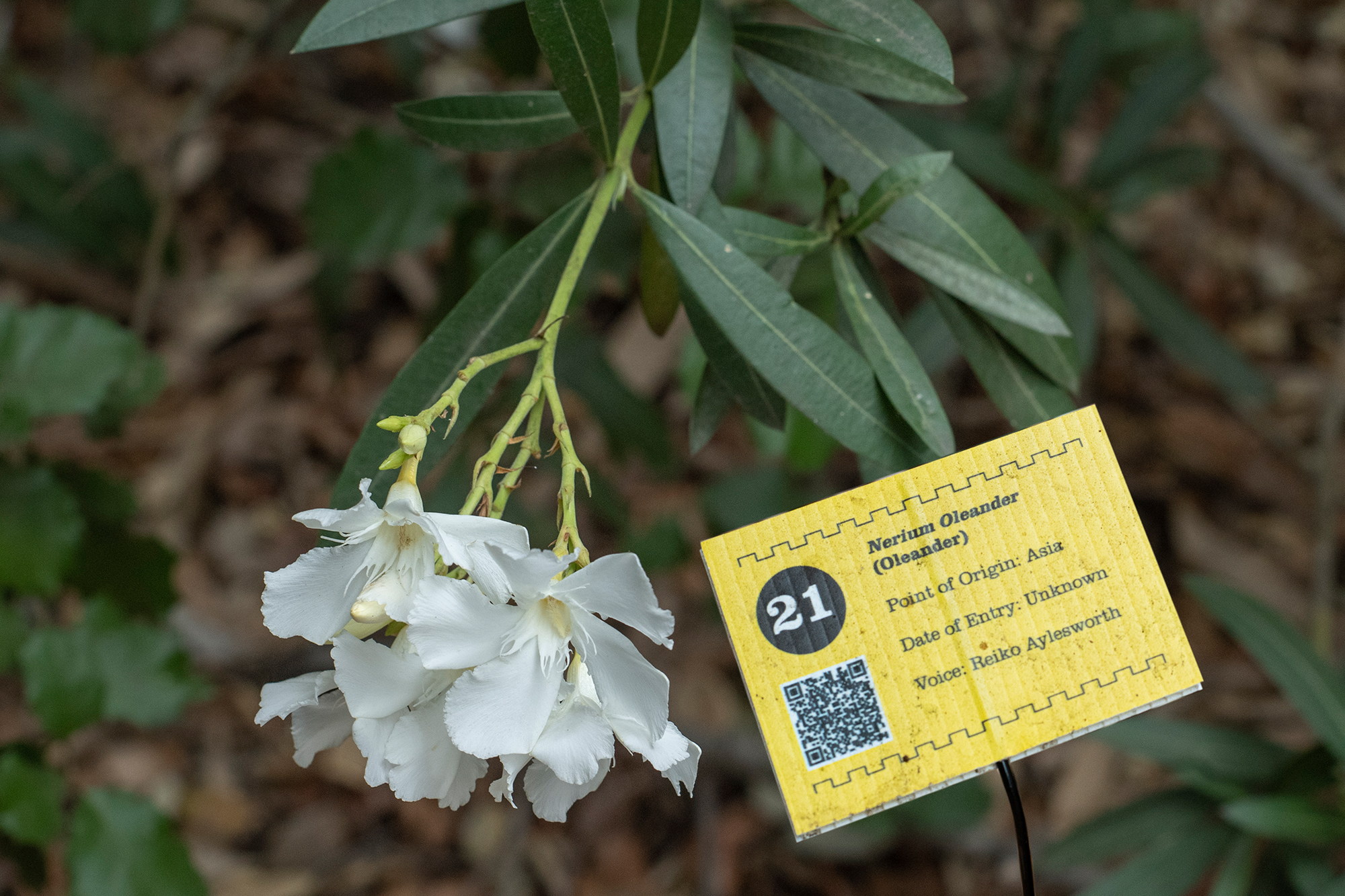
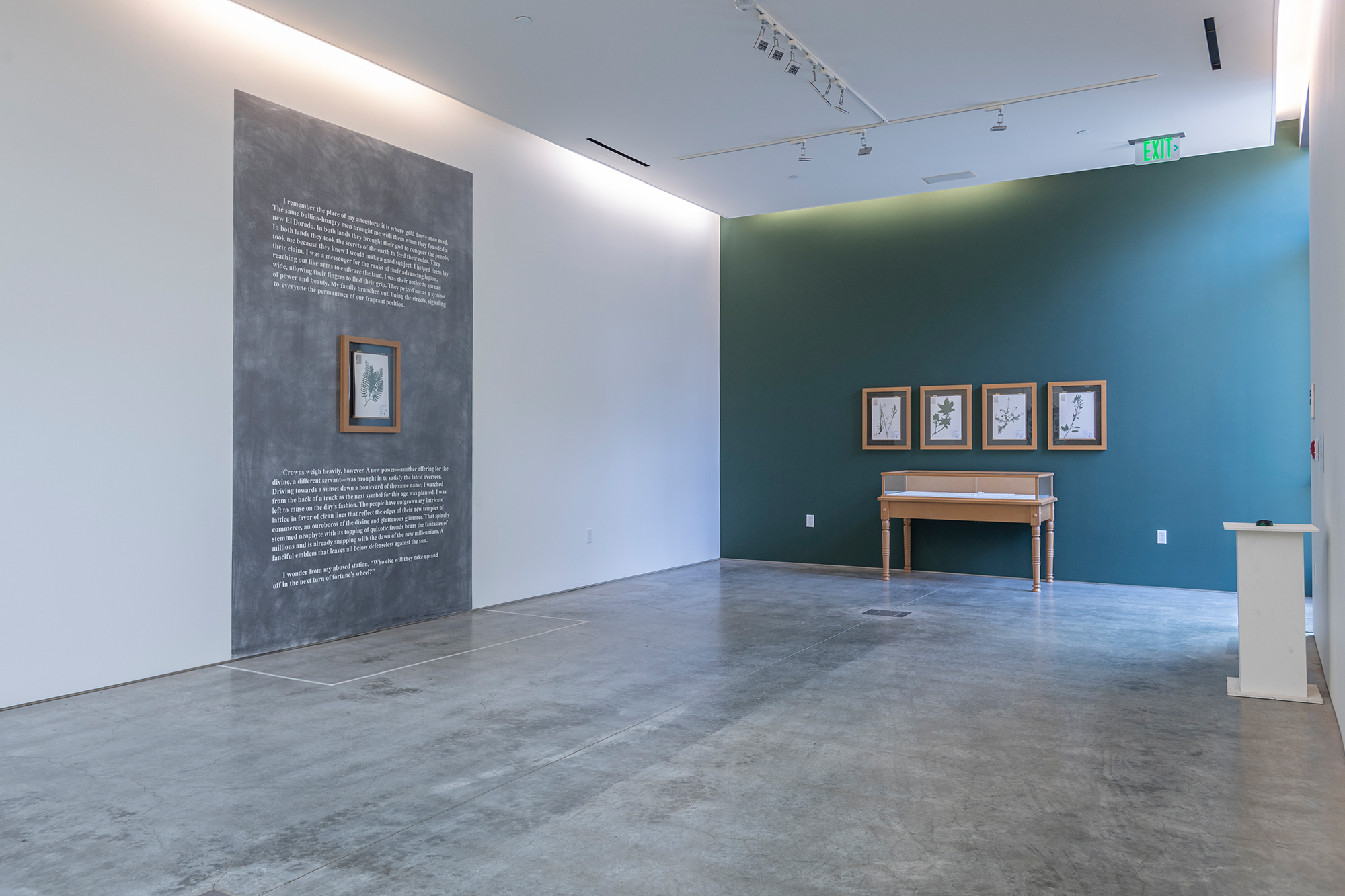
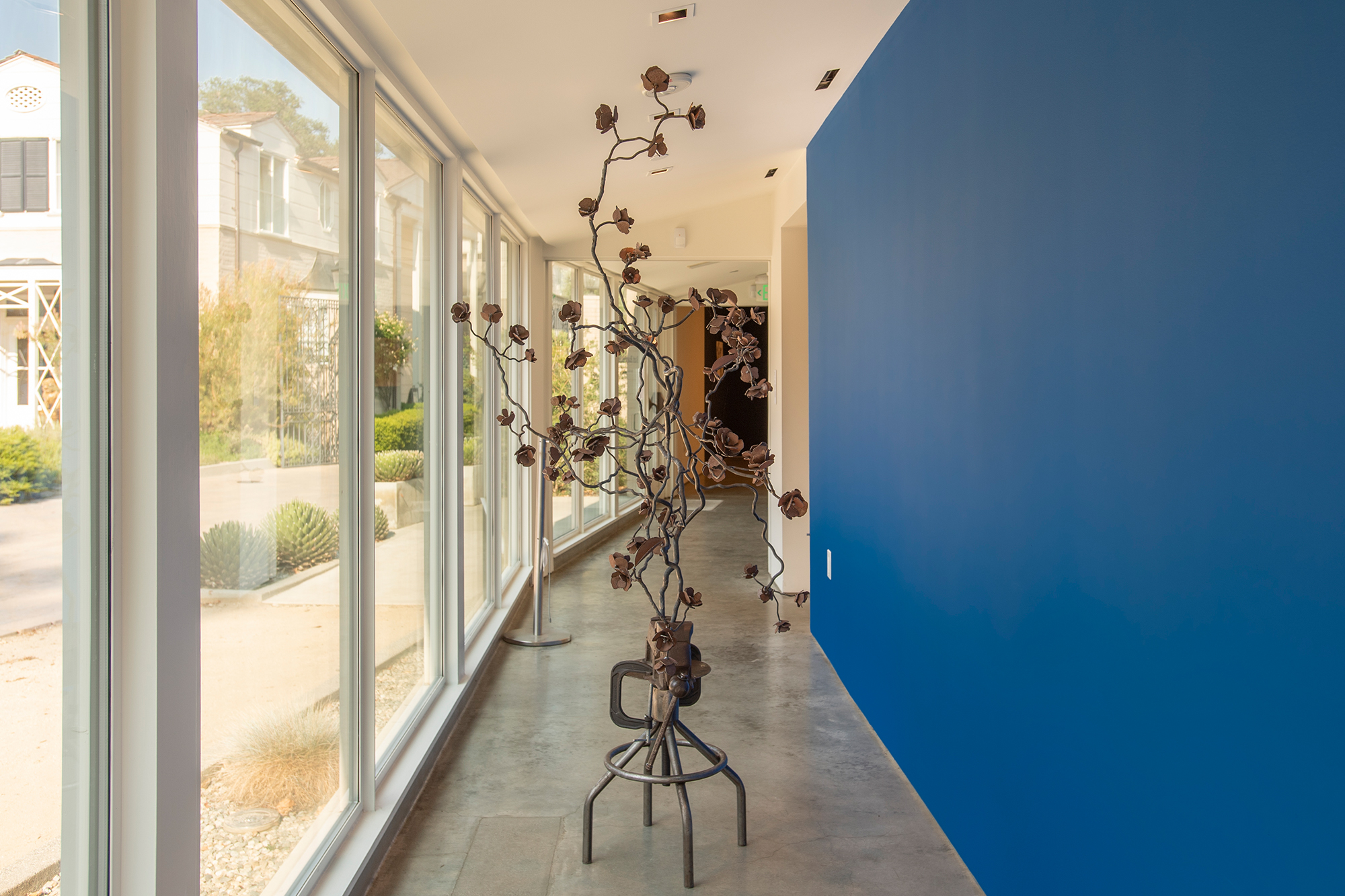
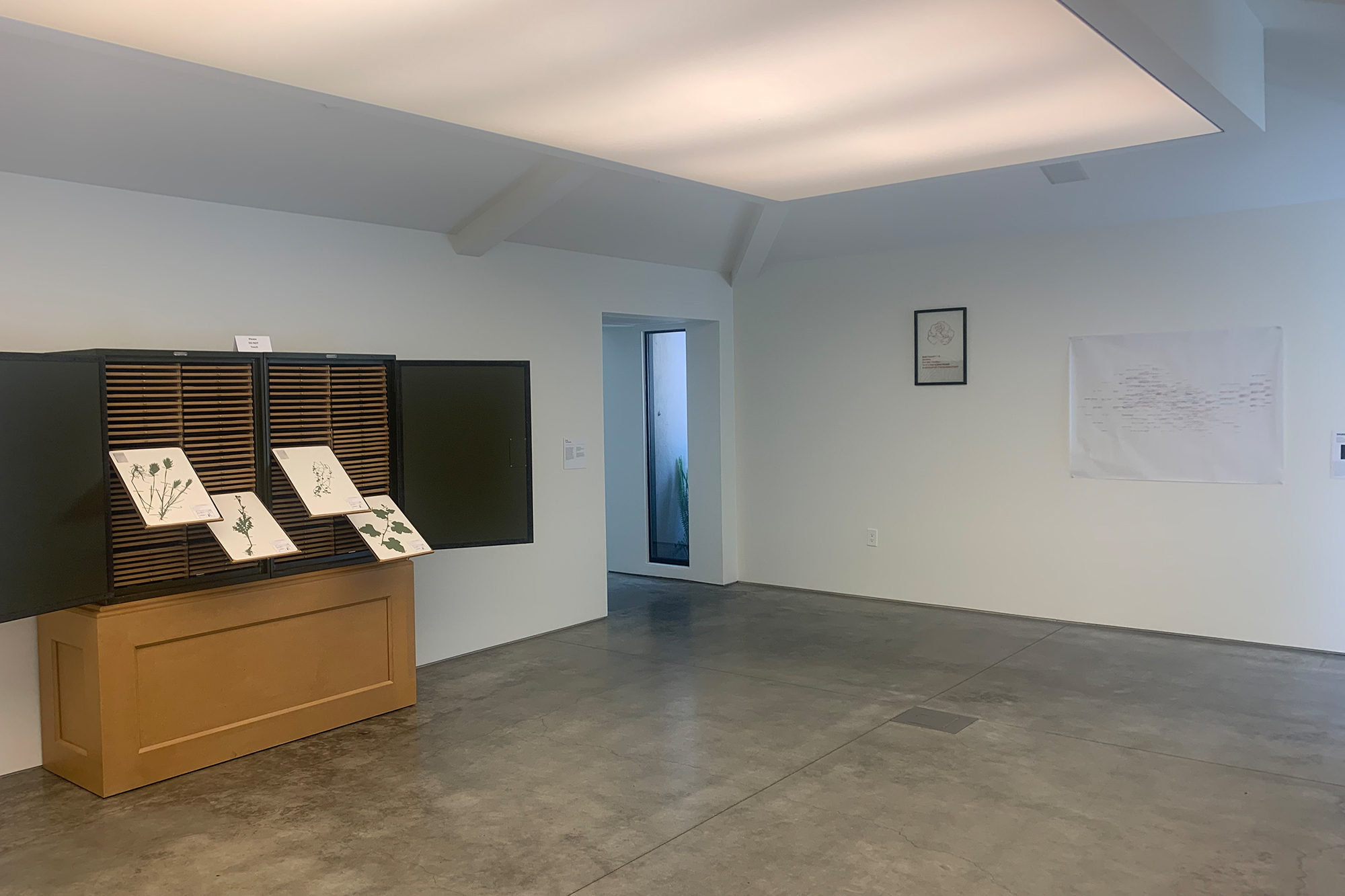
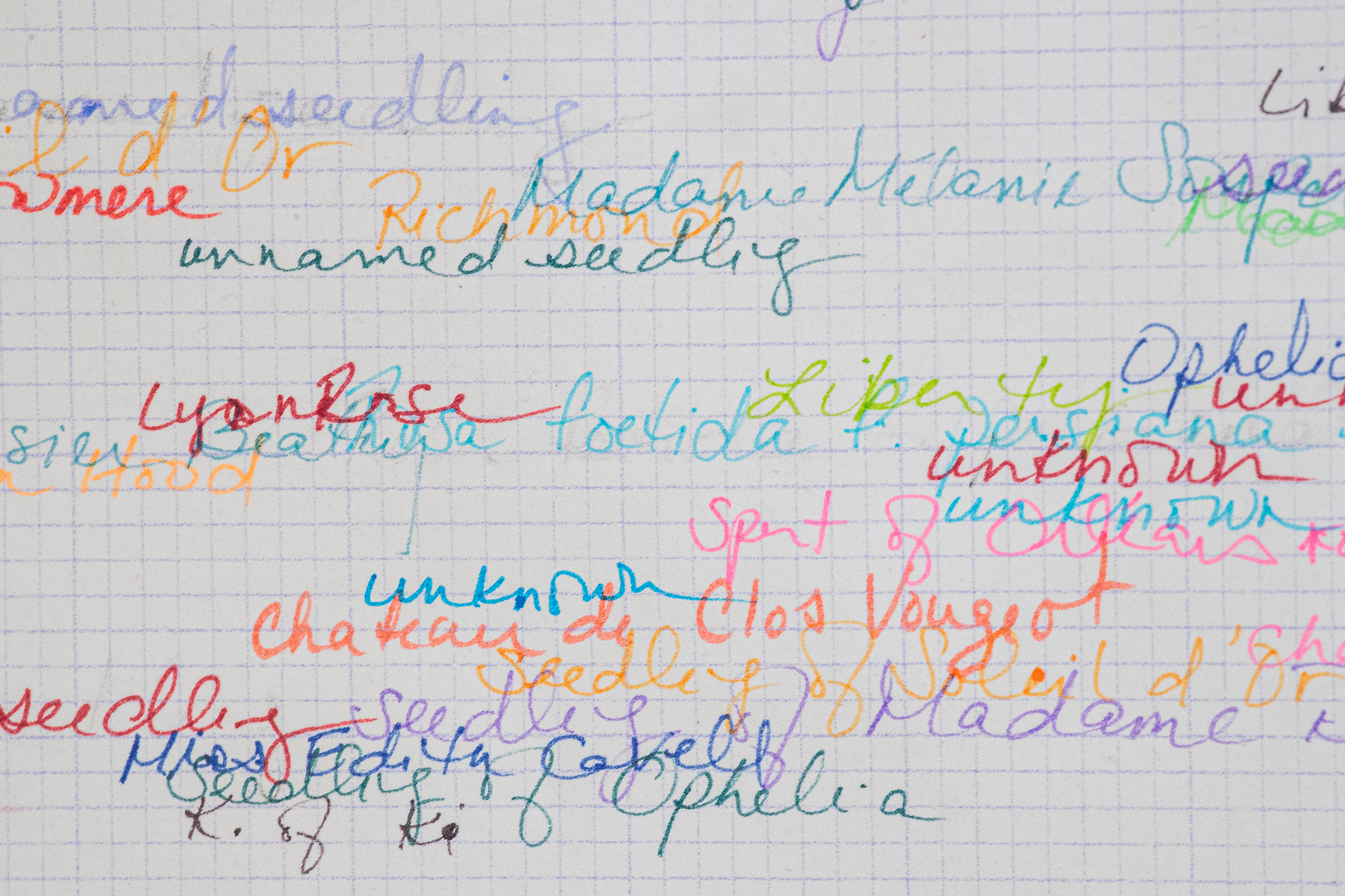
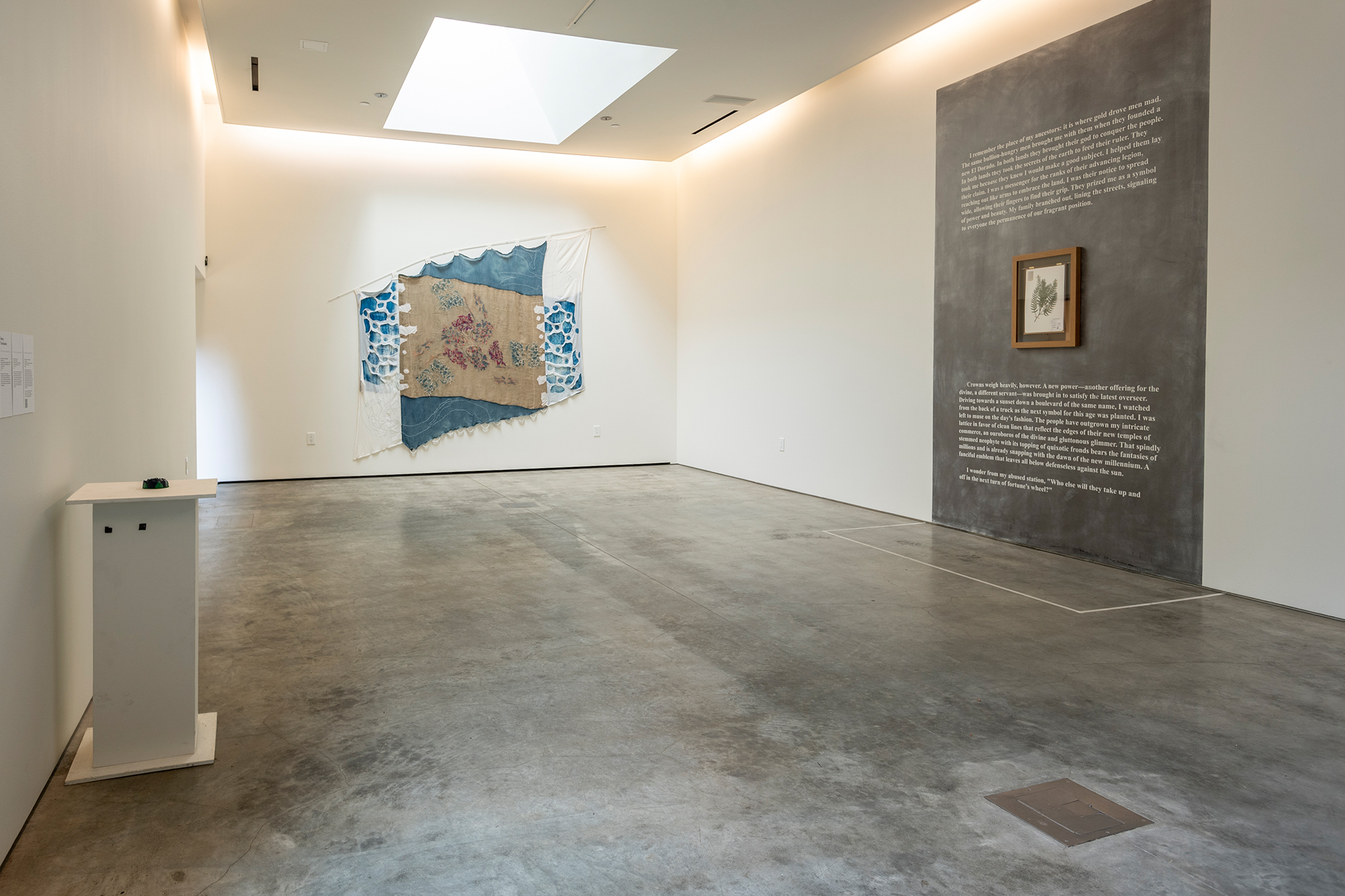
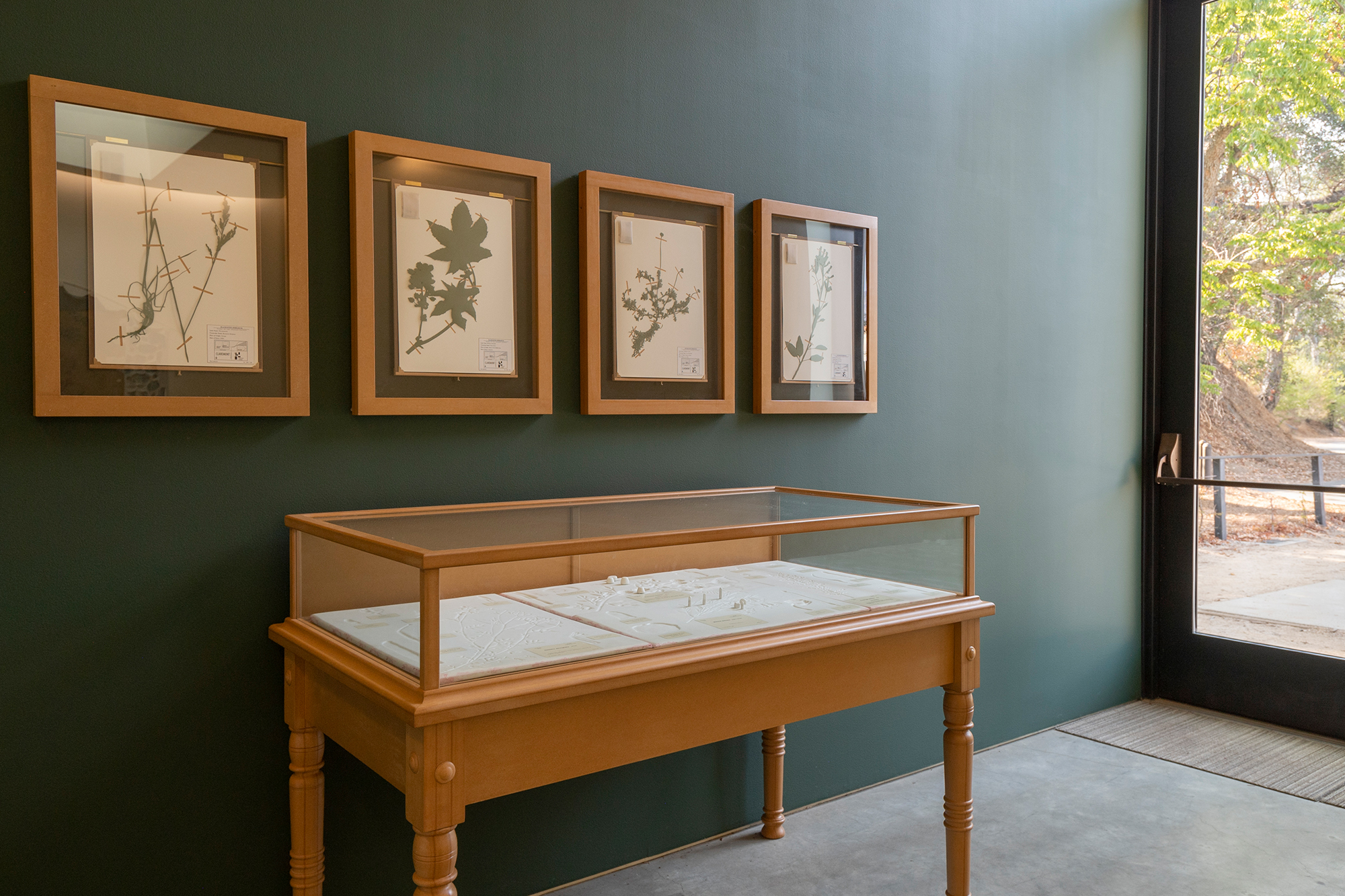
The world is written in code. Our language, street names, city grid all indicate centuries of migration and colonization, and their compounded ecological impact. In our place names alone, we find evidence both of the native Tongva people (in Tujunga, Cahuenga, Cucamonga) and early settlers and city-builders (Verdugo, Mulholland, Sepulveda). The plants we cultivate in our gardens are in no way an exception to this code. Named for America’s first immigration station, Castle Garden decodes aspects of plant migration, connecting American garden ideals with their cultures and peoples of origin.
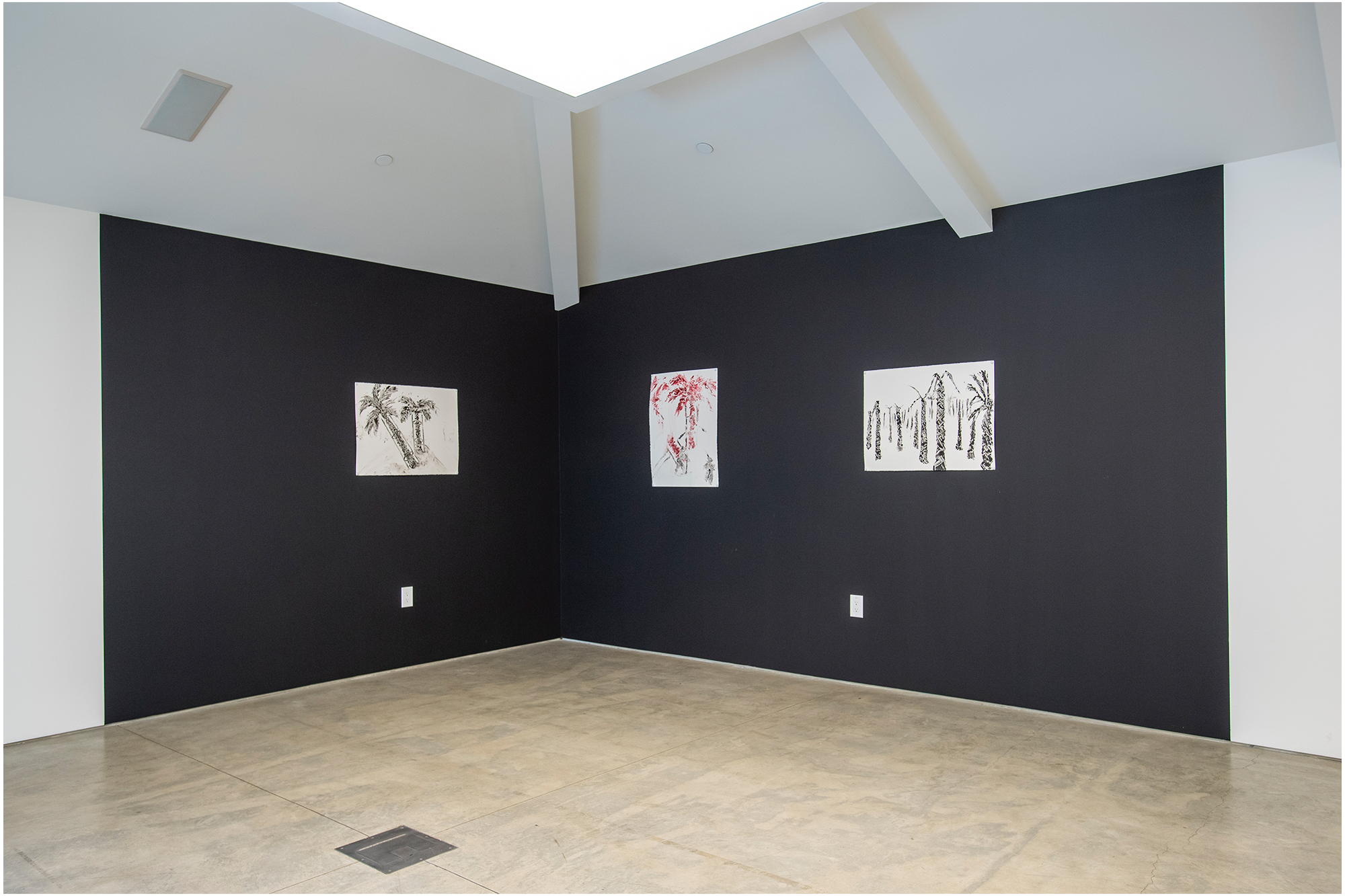
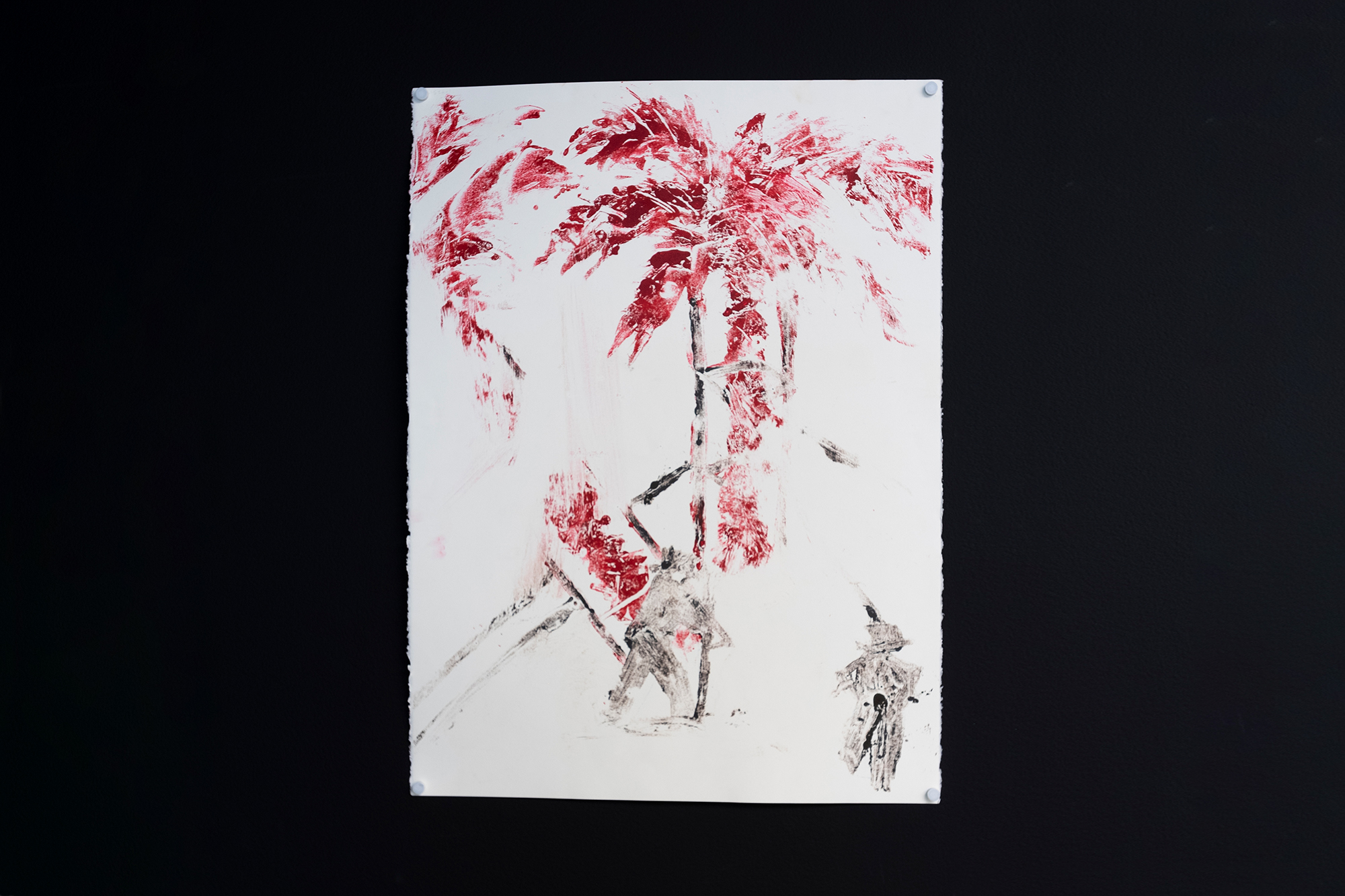
Through the centuries, humankind has attempted to “improve” on nature by cultivating gardens. With the colonization of distant lands came the desire to build empires in the image of one's homeland, as well as re-creating "exotic" places. The expanded movement of people introduced a new scale of both the coexistence of and conflict between cultures. The ideals of plant and garden tropes became declarations of cultures and identity: The wealth evidenced by the British from lawn, native oaks as markers of ownership, the iconography of a Los Angeles palm. Over time, America has rewritten the stories of these plants as its own, so deep-rooted in national mythology that their true origin stories have been virtually erased.
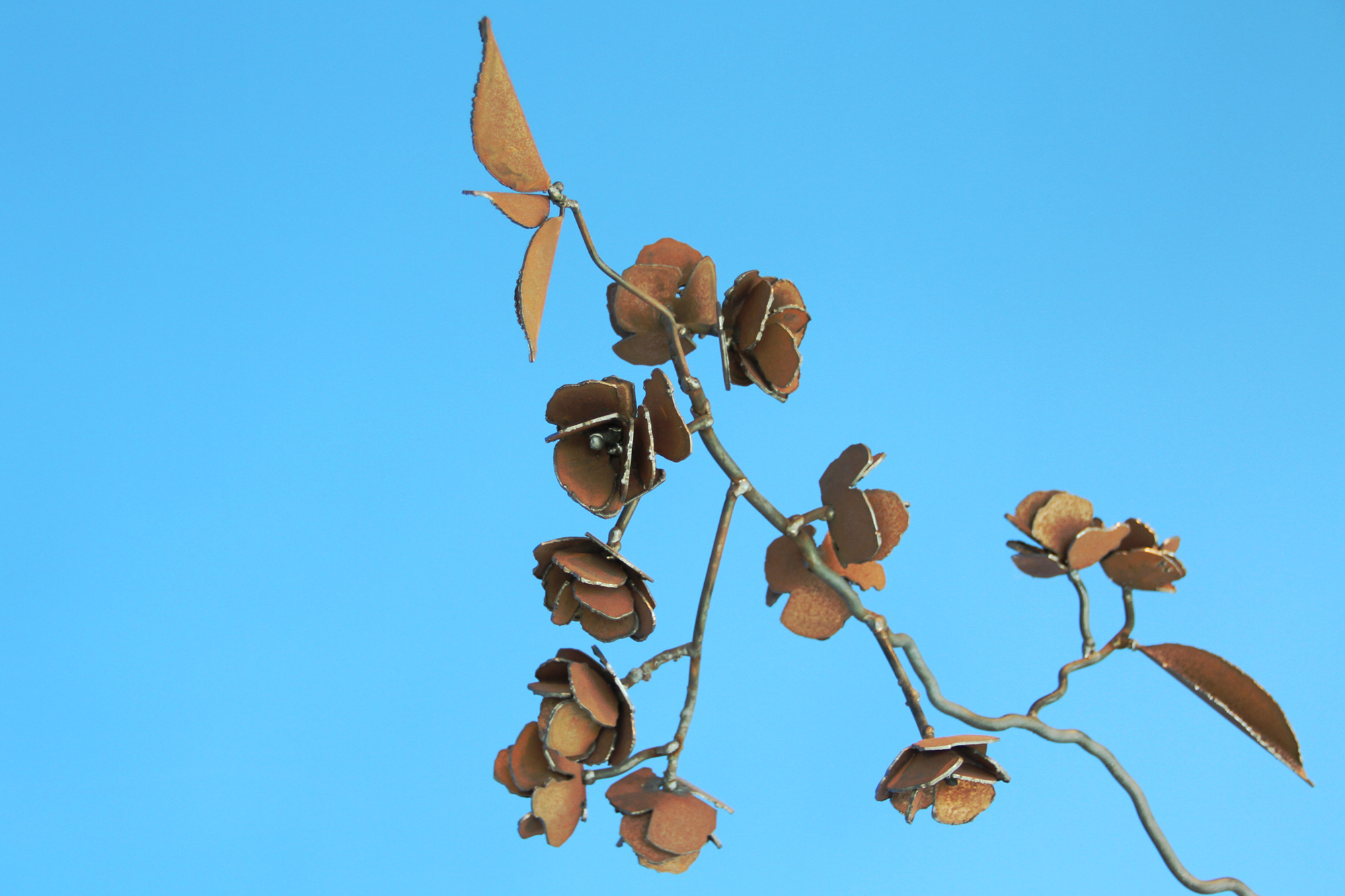
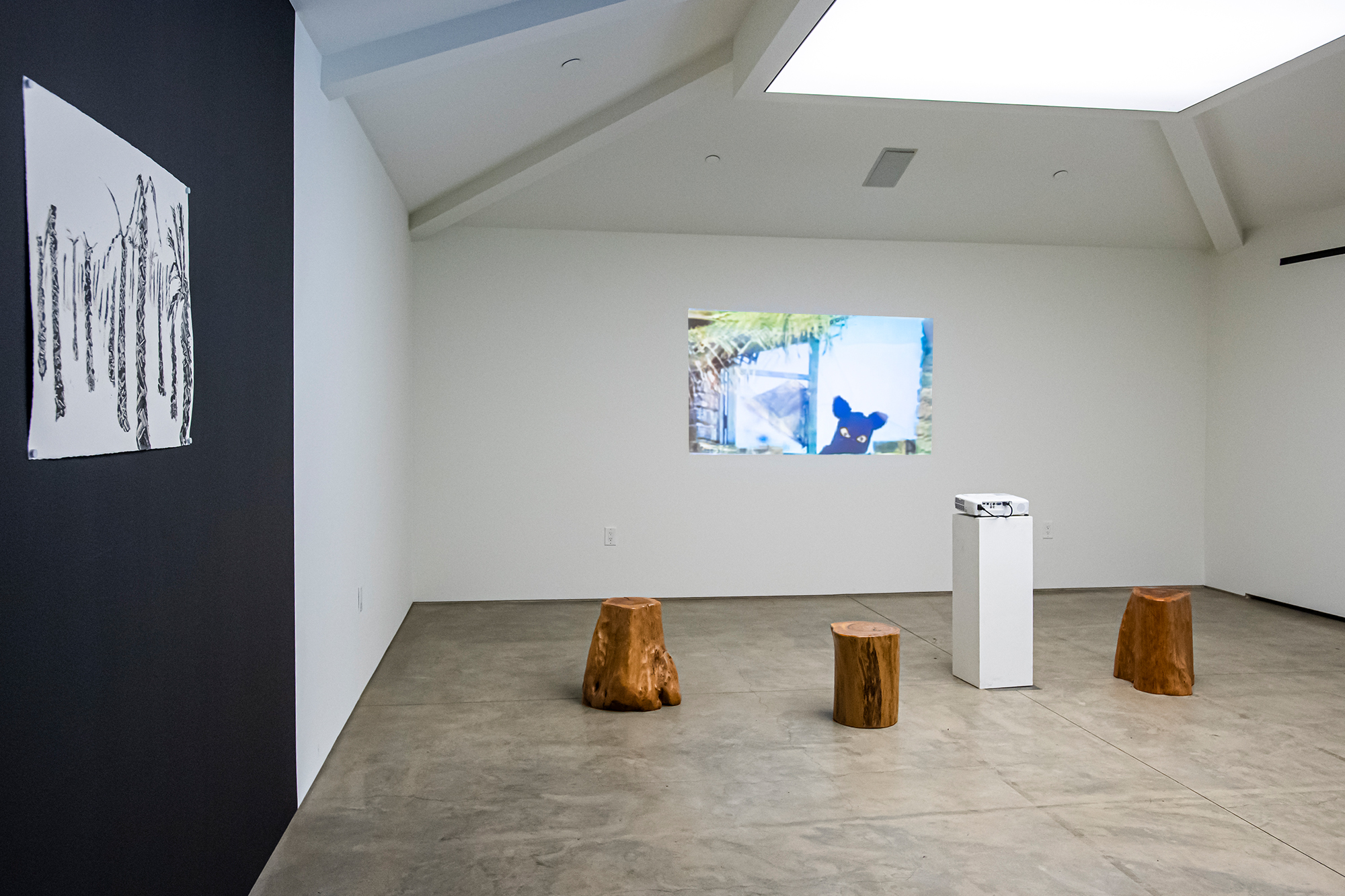
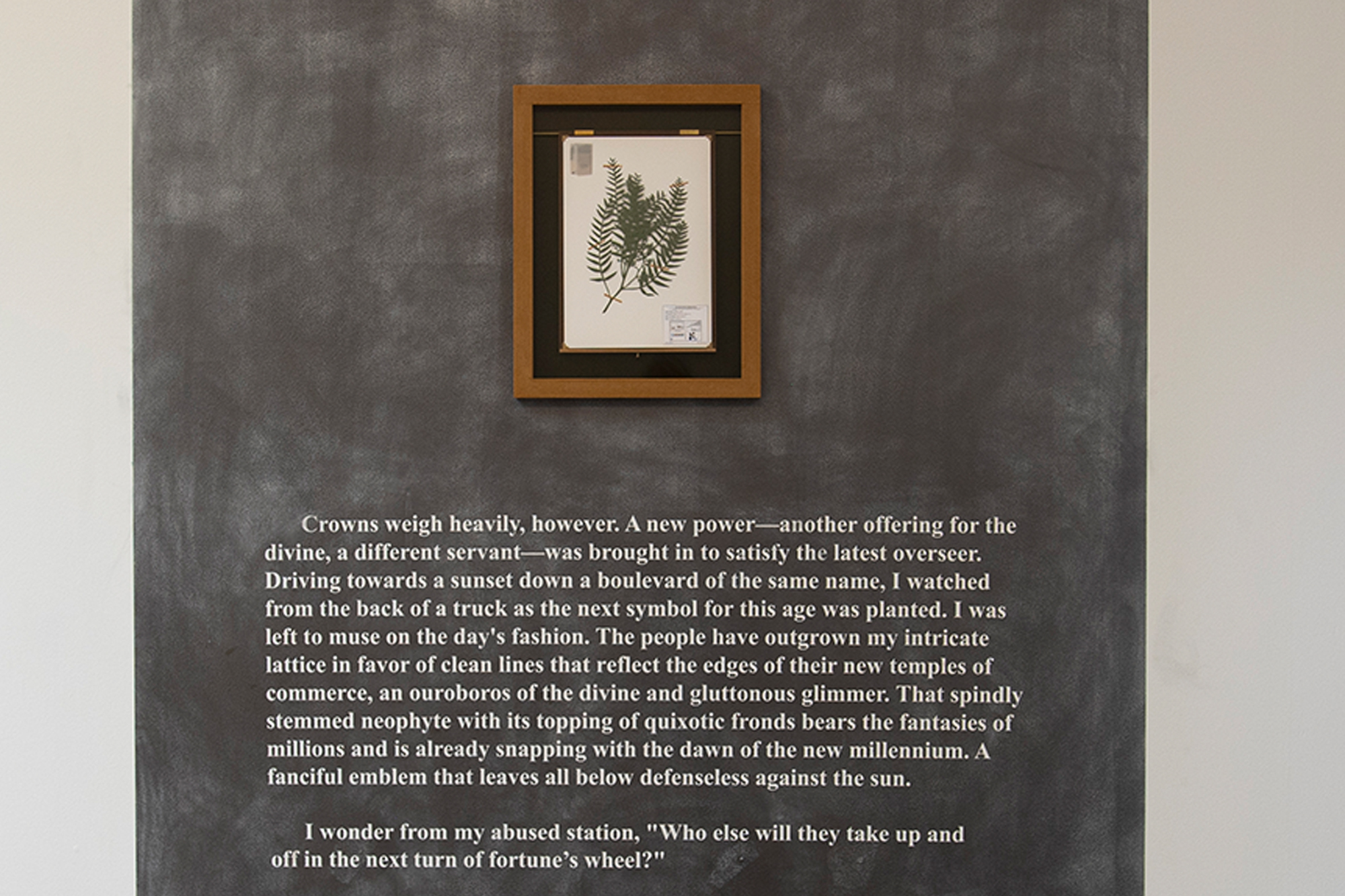
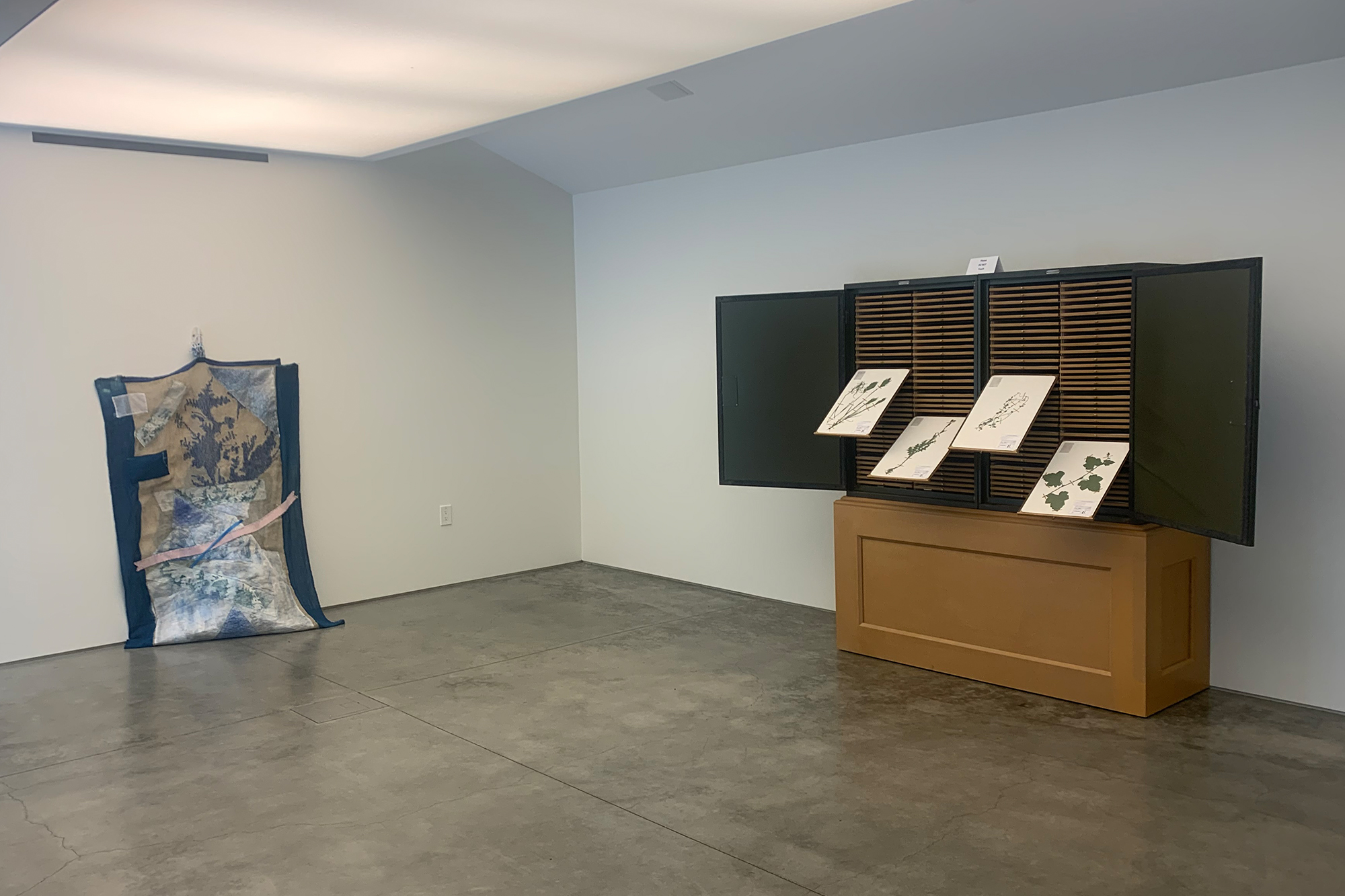
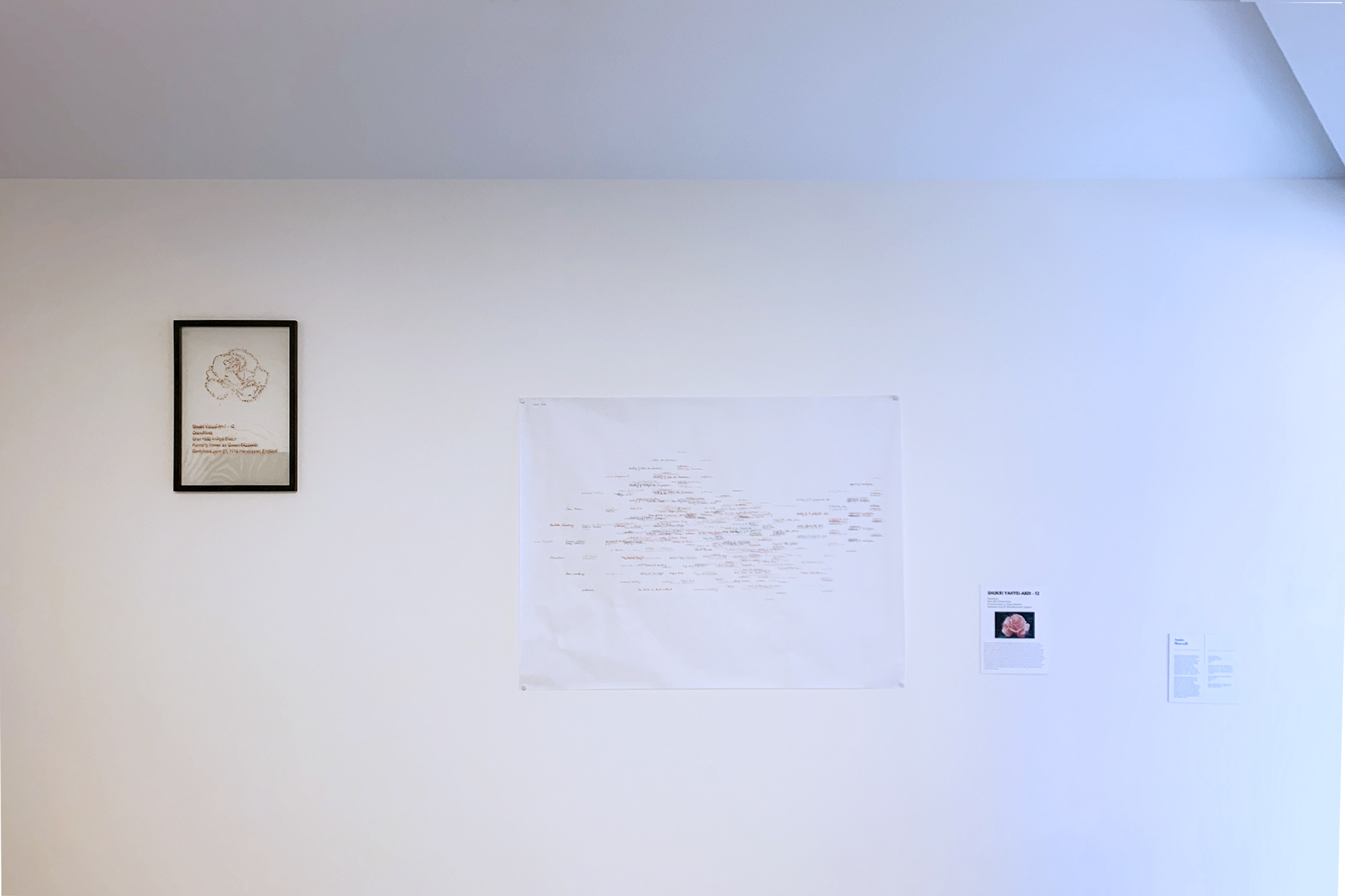
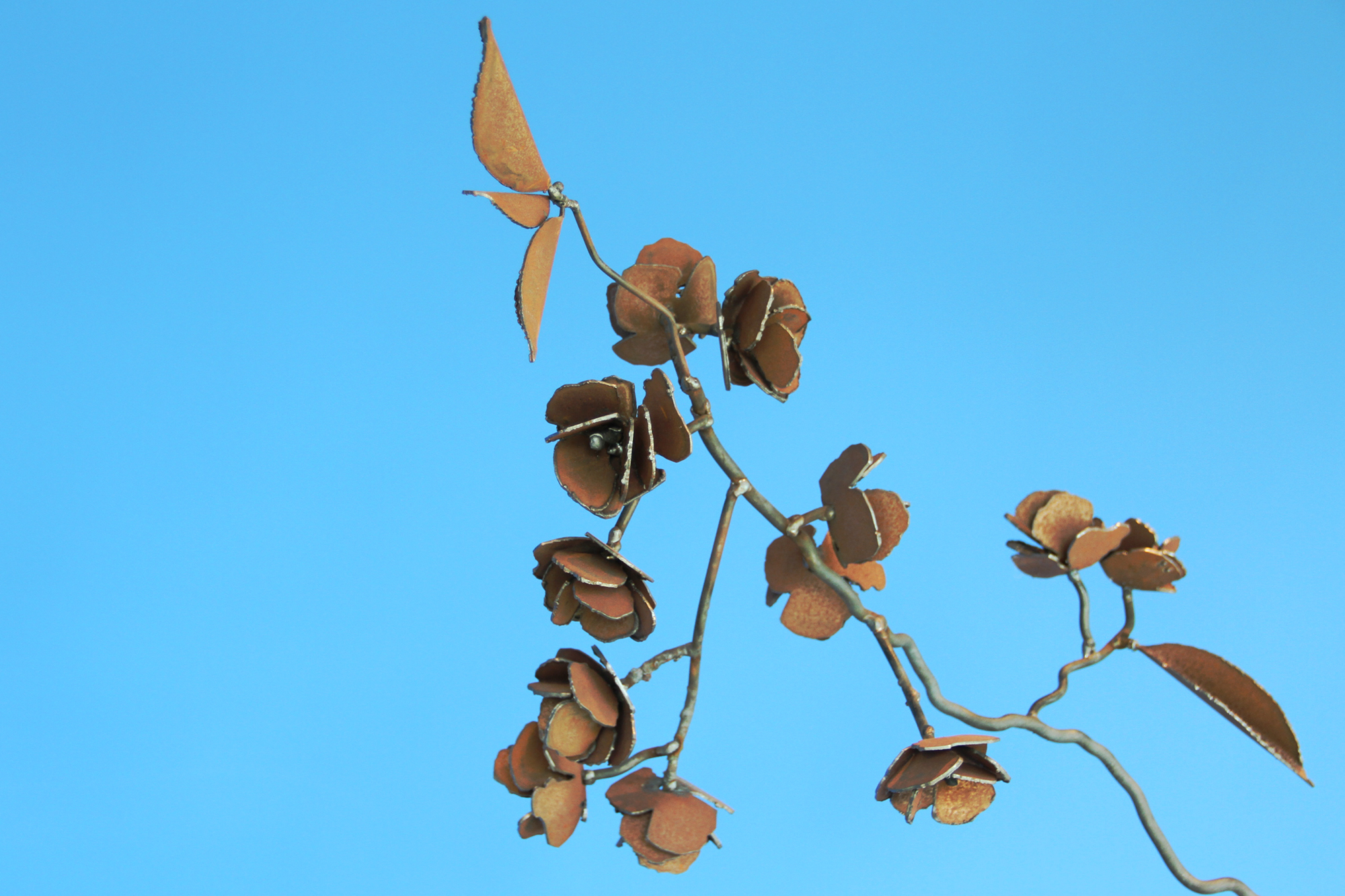
This coded history hides in plain sight at Descanso Gardens. Home to Old Verdugo, a now-vanished ancient oak used to subdivide property, Descanso once proudly displayed a sign reading “A surviving patriarch of the days of Rancho La Cañada.” Its prized camellia collection grew from World War II-era Japanese internment. Roses, perhaps our most commodified flower so commonly cited as an English ideal, are extensively evidenced in the Middle East throughout the Roman period. And some trees ubiquitousin the local landscape – including fig, olive, and most notably the Mexican fan palm – have erned a spot on the California Invasive Species List, deemed a threat to our native ecosystem.
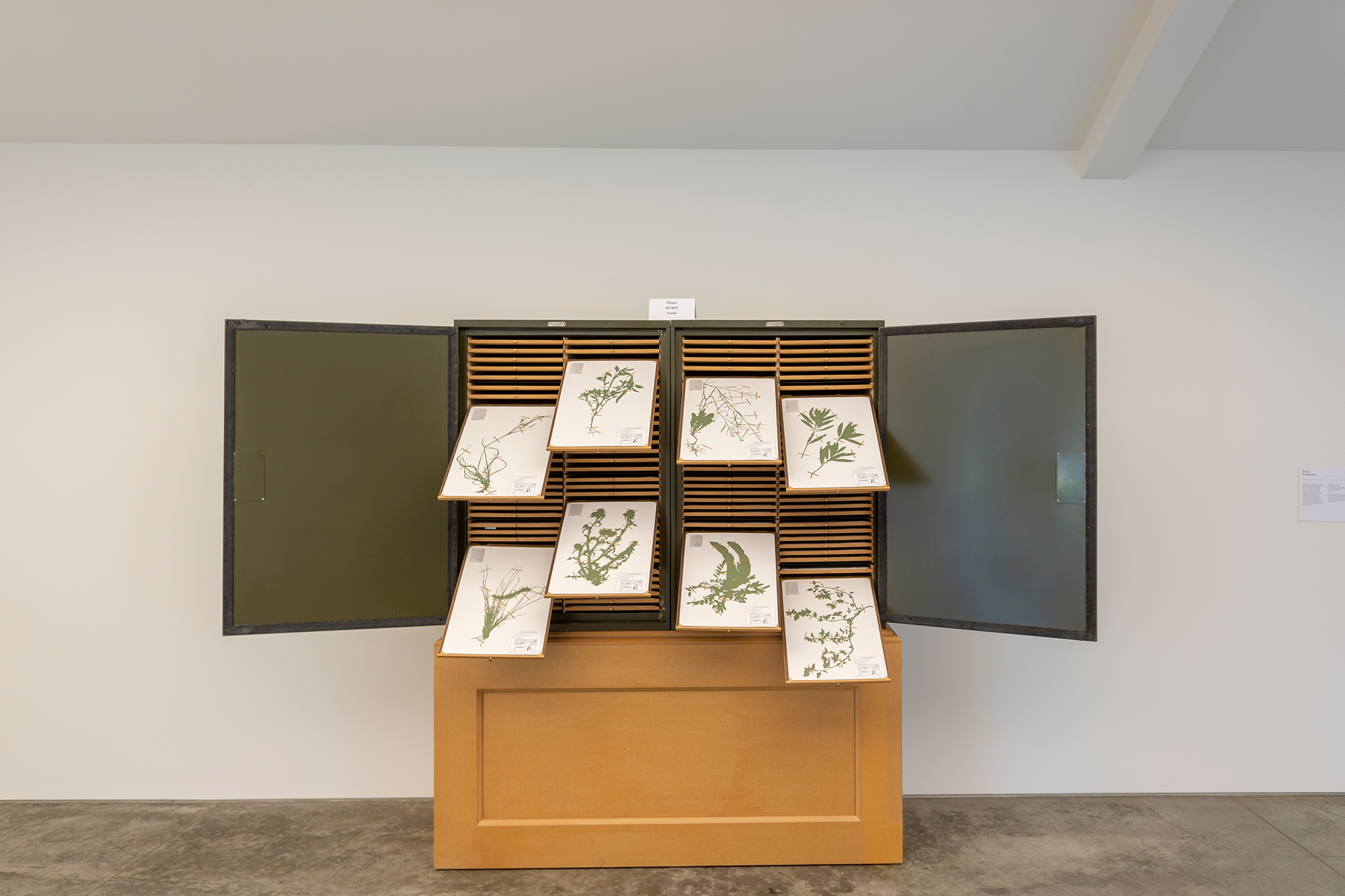
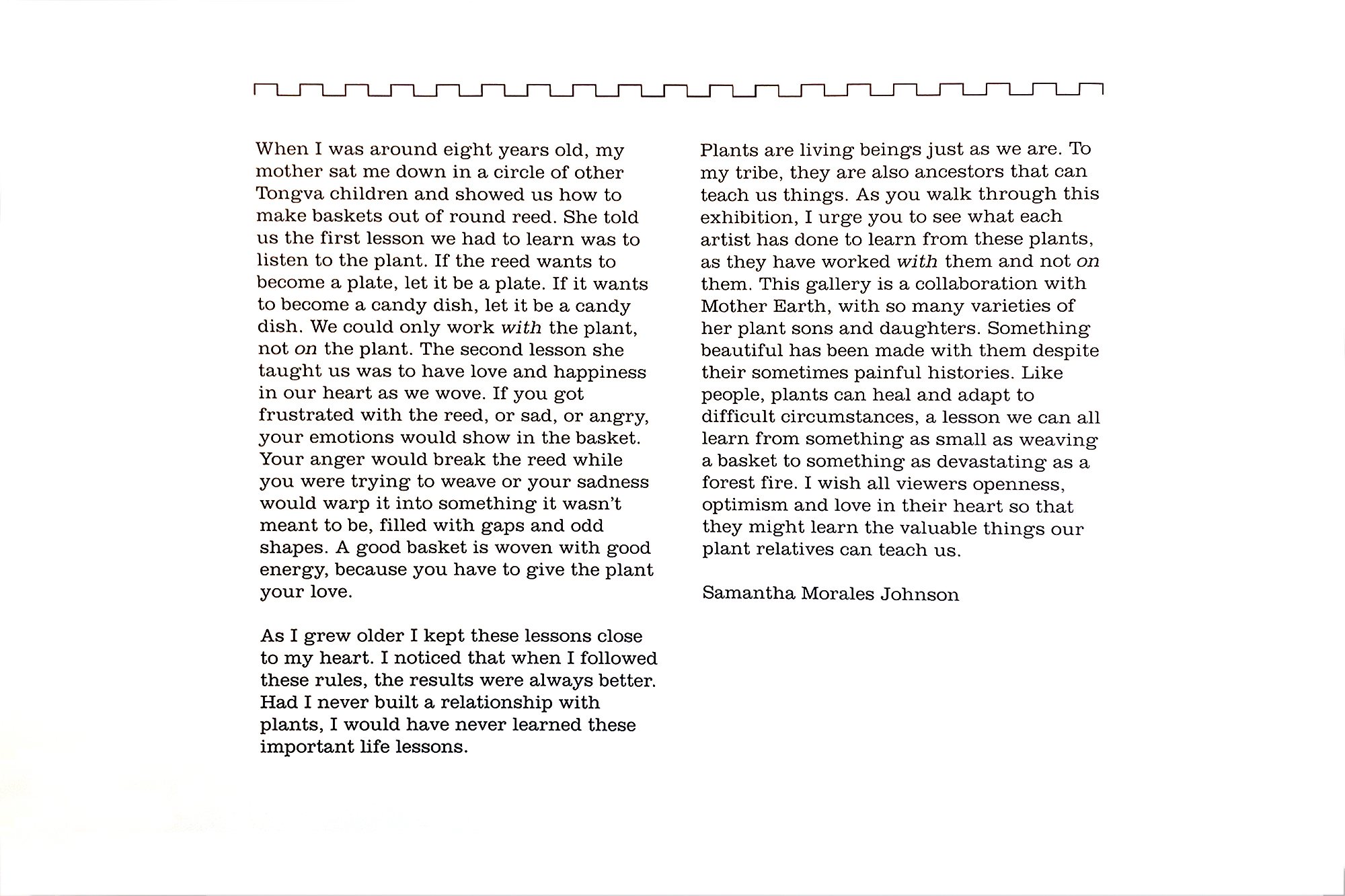
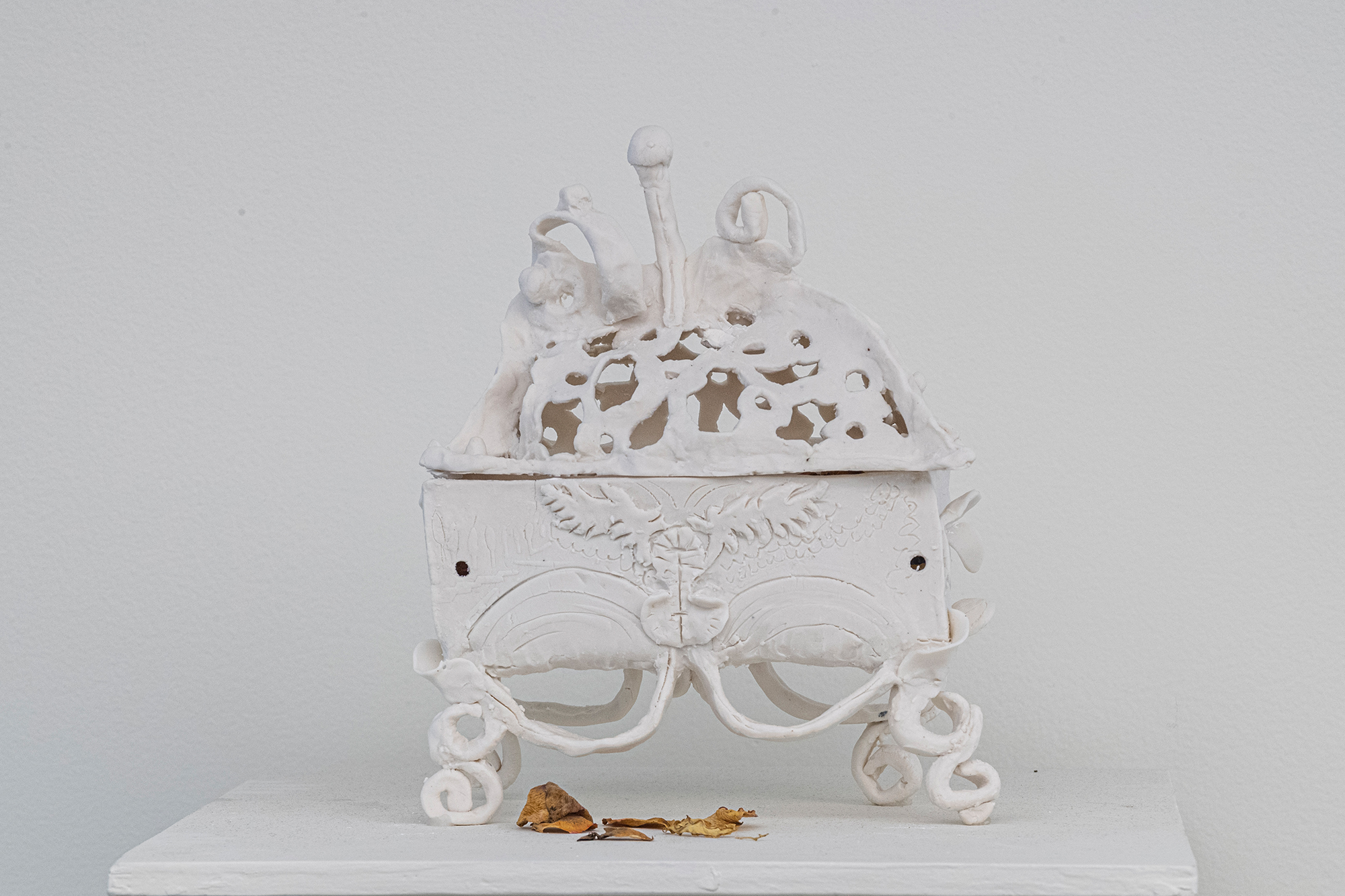
Castle Garden discusses often veiled histories that exemplify the intertwined relationship between the history of plants and the migratory and political history of people. Within these often difficult truths, the flora that live on are indicative of hidden histories of generosity, resilience and human ingenuity. Despite best efforts to silence inhumane treatment and unspeakable injustice, the legacy of these plants points us back to truth. The love, care, and optimism it takes to create a garden carries these stories us to as they live in the memory of these plants and the people who lovingly tended them in the beginning, and continue to care for them to this day.
The stories in Castle Garden present a strength of will and the best kind of defiance that keeps cultural memory alive. And they present a mirror of the present, questioning our own participation and agency as,on so many levels, we witness history repeat itself.
Click on images below to view full screen.
Featuring Shagha Ariannia, Beatriz Cortez, Samantha Morales Johnson, Amitis Motevalli, Fran Siegel, Jenny Yurshansky
The world is written in code. Our language, street names, city grid all indicate centuries of migration and colonization, and their compounded ecological impact. In our place names alone, we find evidence both of the native Tongva people (in Tujunga, Cahuenga, Cucamonga) and early settlers and city-builders (Verdugo, Mulholland, Sepulveda). The plants we cultivate in our gardens are in no way an exception to this code. Named for America’s first immigration station, Castle Garden decodes aspects of plant migration, connecting American garden ideals with their cultures and peoples of origin.
Through the centuries, humankind has attempted to “improve” on nature by cultivating gardens. With the colonization of distant lands came the desire to build empires in the image of one's homeland, as well as re-creating "exotic" places. The expanded movement of people introduced a new scale of both the coexistence of and conflict between cultures. The ideals of plant and garden tropes became declarations of cultures and identity: The wealth evidenced by the British from lawn, native oaks as markers of ownership, the iconography of a Los Angeles palm. Over time, America has rewritten the stories of these plants as its own, so deep-rooted in national mythology that their true origin stories have been virtually erased.
This coded history hides in plain sight at Descanso Gardens. Home to Old Verdugo, a now-vanished ancient oak used to subdivide property, Descanso once proudly displayed a sign reading “A surviving patriarch of the days of Rancho La Cañada.” Its prized camellia collection grew from World War II-era Japanese internment. Roses, perhaps our most commodified flower so commonly cited as an English ideal, are extensively evidenced in the Middle East throughout the Roman period. And some trees ubiquitousin the local landscape – including fig, olive, and most notably the Mexican fan palm – have erned a spot on the California Invasive Species List, deemed a threat to our native ecosystem.
Castle Garden discusses often veiled histories that exemplify the intertwined relationship between the history of plants and the migratory and political history of people. Within these often difficult truths, the flora that live on are indicative of hidden histories of generosity, resilience and human ingenuity. Despite best efforts to silence inhumane treatment and unspeakable injustice, the legacy of these plants points us back to truth. The love, care, and optimism it takes to create a garden carries these stories us to as they live in the memory of these plants and the people who lovingly tended them in the beginning, and continue to care for them to this day.
The stories in Castle Garden present a strength of will and the best kind of defiance that keeps cultural memory alive. And they present a mirror of the present, questioning our own participation and agency as,on so many levels, we witness history repeat itself.
Click on images below to view full screen.
Featuring Shagha Ariannia, Beatriz Cortez, Samantha Morales Johnson, Amitis Motevalli, Fran Siegel, Jenny Yurshansky
The world is written in code. Our language, street names, city grid all indicate centuries of migration and colonization, and their compounded ecological impact. In our place names alone, we find evidence both of the native Tongva people (in Tujunga, Cahuenga, Cucamonga) and early settlers and city-builders (Verdugo, Mulholland, Sepulveda). The plants we cultivate in our gardens are in no way an exception to this code. Named for America’s first immigration station, Castle Garden decodes aspects of plant migration, connecting American garden ideals with their cultures and peoples of origin.
Through the centuries, humankind has attempted to “improve” on nature by cultivating gardens. With the colonization of distant lands came the desire to build empires in the image of one's homeland, as well as re-creating "exotic" places. The expanded movement of people introduced a new scale of both the coexistence of and conflict between cultures. The ideals of plant and garden tropes became declarations of cultures and identity: The wealth evidenced by the British from lawn, native oaks as markers of ownership, the iconography of a Los Angeles palm. Over time, America has rewritten the stories of these plants as its own, so deep-rooted in national mythology that their true origin stories have been virtually erased.
This coded history hides in plain sight at Descanso Gardens. Home to Old Verdugo, a now-vanished ancient oak used to subdivide property, Descanso once proudly displayed a sign reading “A surviving patriarch of the days of Rancho La Cañada.” Its prized camellia collection grew from World War II-era Japanese internment. Roses, perhaps our most commodified flower so commonly cited as an English ideal, are extensively evidenced in the Middle East throughout the Roman period. And some trees ubiquitousin the local landscape – including fig, olive, and most notably the Mexican fan palm – have erned a spot on the California Invasive Species List, deemed a threat to our native ecosystem.
Castle Garden discusses often veiled histories that exemplify the intertwined relationship between the history of plants and the migratory and political history of people. Within these often difficult truths, the flora that live on are indicative of hidden histories of generosity, resilience and human ingenuity. Despite best efforts to silence inhumane treatment and unspeakable injustice, the legacy of these plants points us back to truth. The love, care, and optimism it takes to create a garden carries these stories us to as they live in the memory of these plants and the people who lovingly tended them in the beginning, and continue to care for them to this day.
The stories in Castle Garden present a strength of will and the best kind of defiance that keeps cultural memory alive. And they present a mirror of the present, questioning our own participation and agency as,on so many levels, we witness history repeat itself.
Click on images below to view full screen.
Featuring Shagha Ariannia, Beatriz Cortez, Samantha Morales Johnson,
Amitis Motevalli, Fran Siegel, Jenny Yurshansky
The world is written in code. Our language, street names, city grid all indicate centuries of migration and colonization, and their compounded ecological impact. In our place names alone, we find evidence both of the native Tongva people (in Tujunga, Cahuenga, Cucamonga) and early settlers and city-builders (Verdugo, Mulholland, Sepulveda). The plants we cultivate in our gardens are in no way an exception to this code. Named for America’s first immigration station, Castle Garden decodes aspects of plant migration, connecting American garden ideals with their cultures and peoples of origin.
Through the centuries, humankind has attempted to “improve” on nature by cultivating gardens. With the colonization of distant lands came the desire to build empires in the image of one's homeland, as well as re-creating "exotic" places. The expanded movement of people introduced a new scale of both the coexistence of and conflict between cultures. The ideals of plant and garden tropes became declarations of cultures and identity: The wealth evidenced by the British from lawn, native oaks as markers of ownership, the iconography of a Los Angeles palm. Over time, America has rewritten the stories of these plants as its own, so deep-rooted in national mythology that their true origin stories have been virtually erased.
This coded history hides in plain sight at Descanso Gardens. Home to Old Verdugo, a now-vanished ancient oak used to subdivide property, Descanso once proudly displayed a sign reading “A surviving patriarch of the days of Rancho La Cañada.” Its prized camellia collection grew from World War II-era Japanese internment. Roses, perhaps our most commodified flower so commonly cited as an English ideal, are extensively evidenced in the Middle East throughout the Roman period. And some trees ubiquitousin the local landscape – including fig, olive, and most notably the Mexican fan palm – have erned a spot on the California Invasive Species List, deemed a threat to our native ecosystem.
Castle Garden discusses often veiled histories that exemplify the intertwined relationship between the history of plants and the migratory and political history of people. Within these often difficult truths, the flora that live on are indicative of hidden histories of generosity, resilience and human ingenuity. Despite best efforts to silence inhumane treatment and unspeakable injustice, the legacy of these plants points us back to truth. The love, care, and optimism it takes to create a garden carries these stories us to as they live in the memory of these plants and the people who lovingly tended them in the beginning, and continue to care for them to this day.
The stories in Castle Garden present a strength of will and the best kind of defiance that keeps cultural memory alive. And they present a mirror of the present, questioning our own participation and agency as,on so many levels, we witness history repeat itself.
Click on images below to view full screen.
Featuring Shagha Ariannia, Beatriz Cortez,
Samantha Morales Johnson, Amitis Motevalli,
Fran Siegel, Jenny Yurshansky
The world is written in code. Our language, street names, city grid all indicate centuries of migration and colonization, and their compounded ecological impact. In our place names alone, we find evidence both of the native Tongva people (in Tujunga, Cahuenga, Cucamonga) and early settlers and city-builders (Verdugo, Mulholland, Sepulveda). The plants we cultivate in our gardens are in no way an exception to this code. Named for America’s first immigration station, Castle Garden decodes aspects of plant migration, connecting American garden ideals with their cultures and peoples of origin.
Through the centuries, humankind has attempted to “improve” on nature by cultivating gardens. With the colonization of distant lands came the desire to build empires in the image of one's homeland, as well as re-creating "exotic" places. The expanded movement of people introduced a new scale of both the coexistence of and conflict between cultures. The ideals of plant and garden tropes became declarations of cultures and identity: The wealth evidenced by the British from lawn, native oaks as markers of ownership, the iconography of a Los Angeles palm. Over time, America has rewritten the stories of these plants as its own, so deep-rooted in national mythology that their true origin stories have been virtually erased.
This coded history hides in plain sight at Descanso Gardens. Home to Old Verdugo, a now-vanished ancient oak used to subdivide property, Descanso once proudly displayed a sign reading “A surviving patriarch of the days of Rancho La Cañada.” Its prized camellia collection grew from World War II-era Japanese internment. Roses, perhaps our most commodified flower so commonly cited as an English ideal, are extensively evidenced in the Middle East throughout the Roman period. And some trees ubiquitousin the local landscape – including fig, olive, and most notably the Mexican fan palm – have erned a spot on the California Invasive Species List, deemed a threat to our native ecosystem.
Castle Garden discusses often veiled histories that exemplify the intertwined relationship between the history of plants and the migratory and political history of people. Within these often difficult truths, the flora that live on are indicative of hidden histories of generosity, resilience and human ingenuity. Despite best efforts to silence inhumane treatment and unspeakable injustice, the legacy of these plants points us back to truth. The love, care, and optimism it takes to create a garden carries these stories us to as they live in the memory of these plants and the people who lovingly tended them in the beginning, and continue to care for them to this day.
The stories in Castle Garden present a strength of will and the best kind of defiance that keeps cultural memory alive. And they present a mirror of the present, questioning our own participation and agency as,on so many levels, we witness history repeat itself.
Click on images below to view full screen.