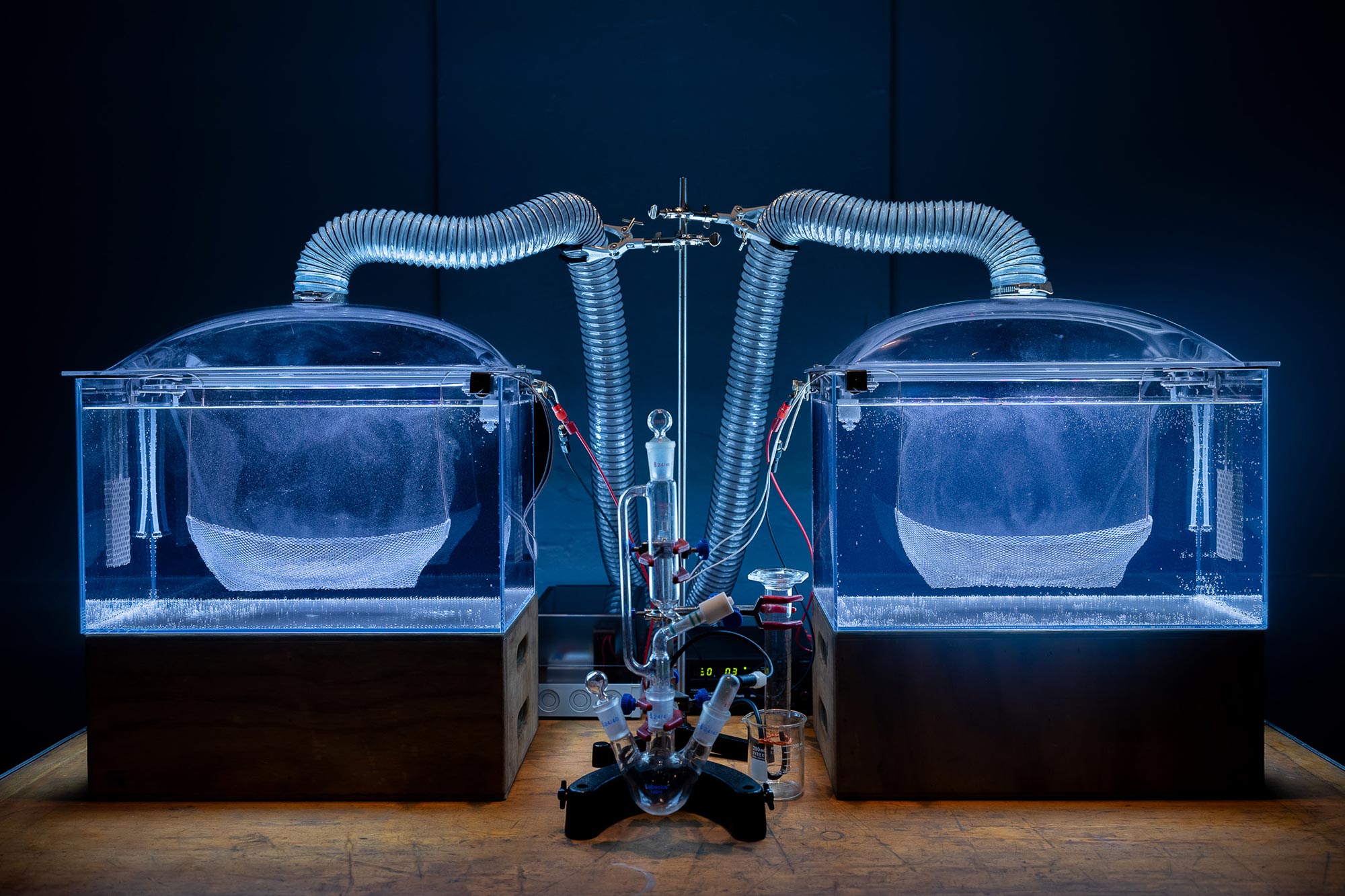
Conduit
—
February 15 - May 19, 2024
Ontario Museum of History & Art
Ontario, CA
Conduit
—
Februaury 15 - May 19, 2024
Ontario Museum of History & Art
Ontario, CA
Conduit
—
February 15, May 19, 2024
Ontario Museum of History & Art
Ontario, CA
Featuring Gerald Clarke, Lauren Bon and Metabolic Studio, Noe Montes, Samantha Morales Johnson, Stuart Palley, christy roberts berkowitz, Lorene Sisquoc
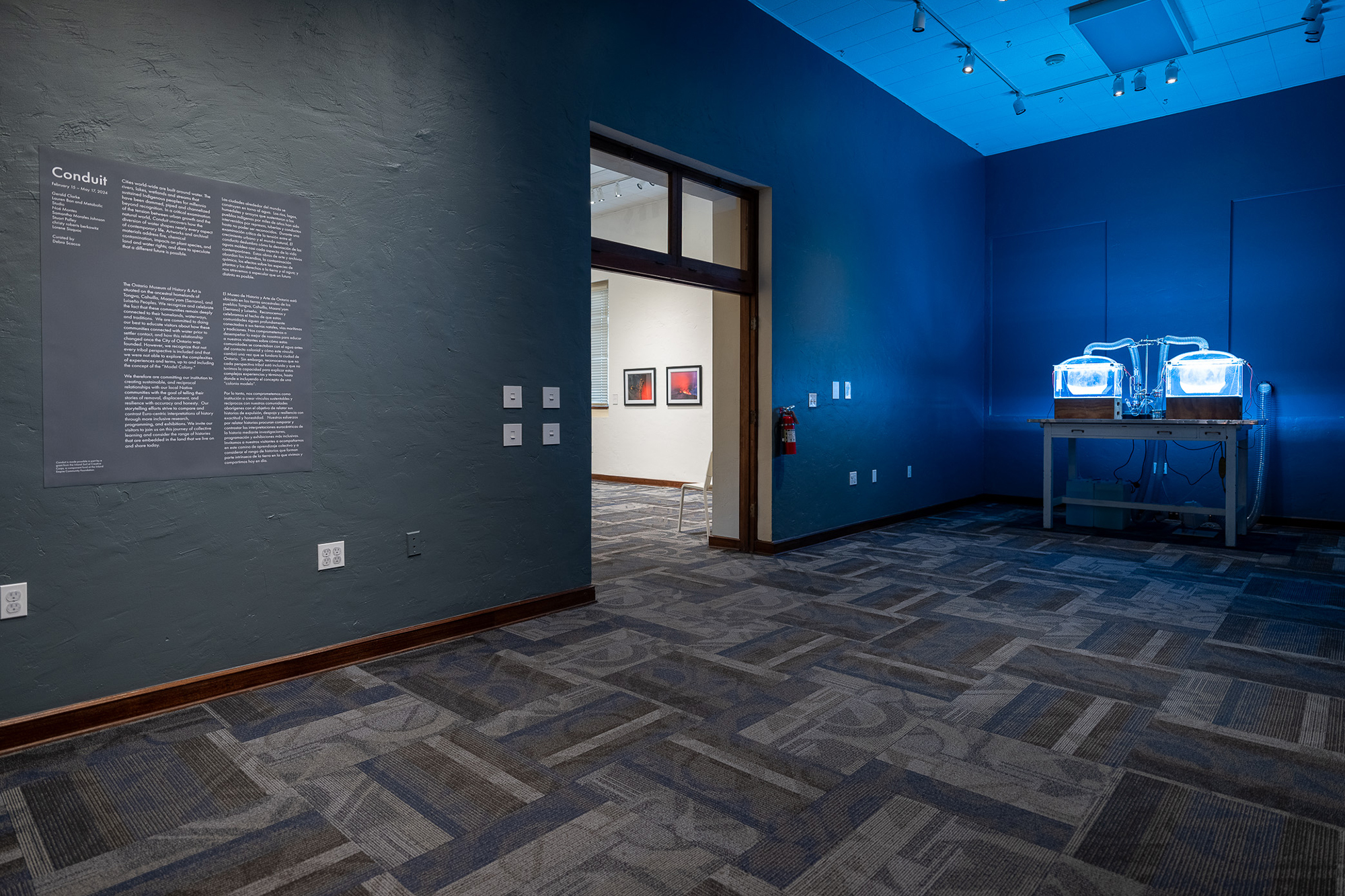
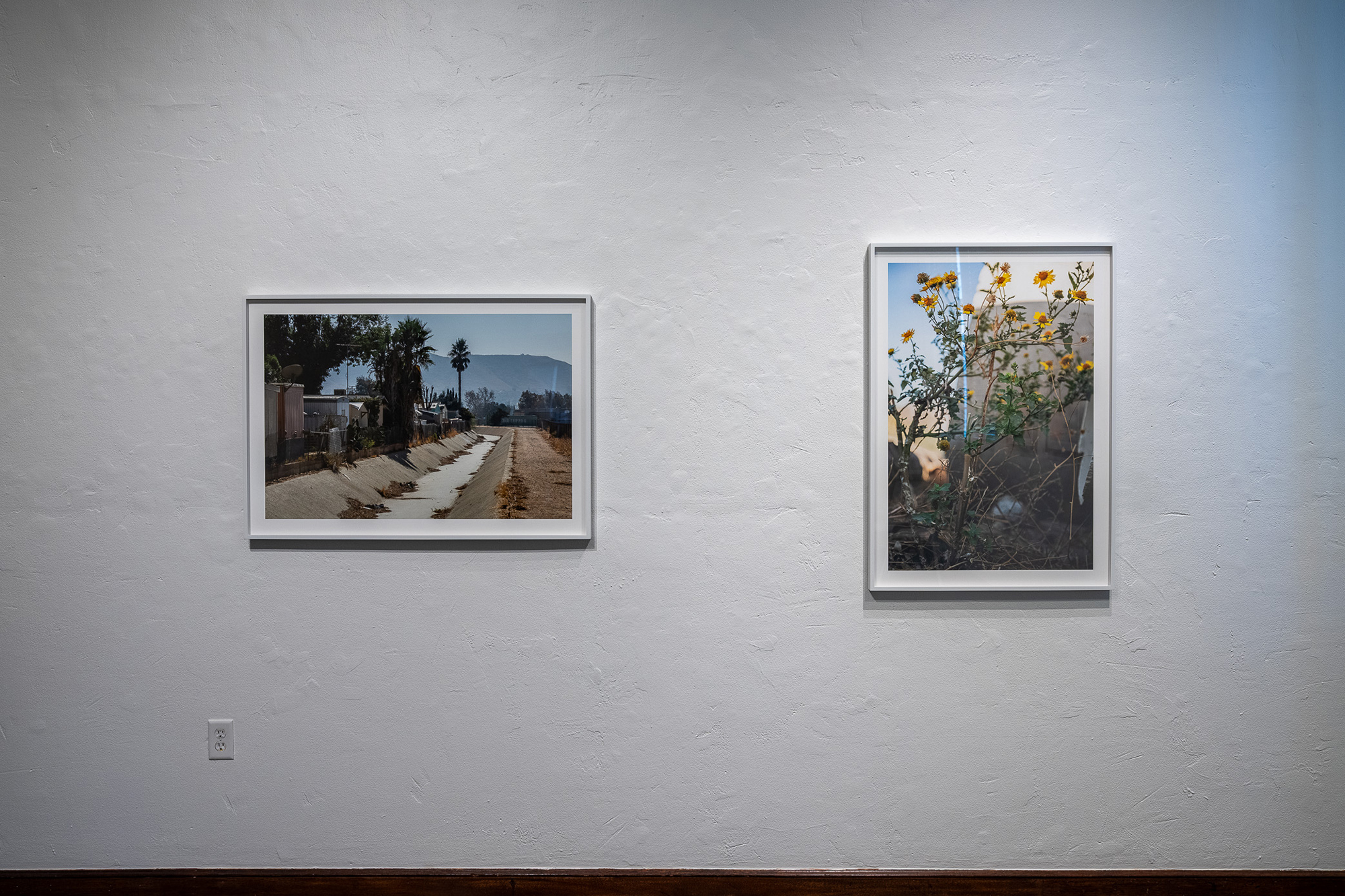
Cities world-wide are built around water. The rivers, lakes, wetlands and streams that sustained Indigenous peoples for millennia have been dammed, piped and diverted beyond recognition. Some bodies of water, including the Santa Ana and Los Angeles Rivers, have been corseted in concrete to support infinite expansion while attempting to nullify their strength; and in doing so attempting to strong-arm the natural world into supporting the ideology of infinite human growth.
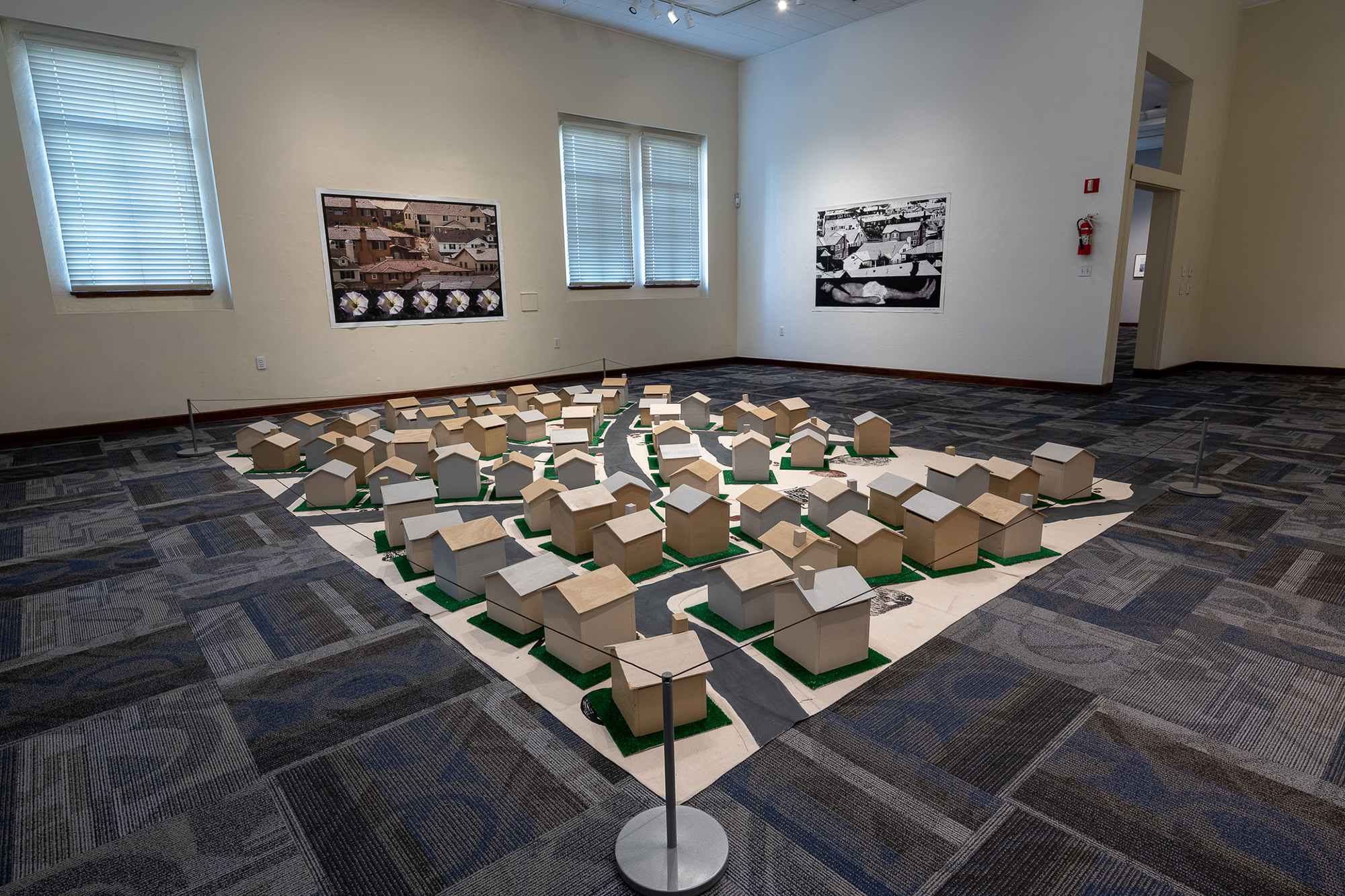
The story of Ontario, CA, where this exhibition takes place, aligns with this history. Canadian brothers George Chaffey (1848-1932) and William Chaffey (1856 - 1926) recognized Southern California’s Mediterranean climate, when combined with ample access to water, could lead to the development of “agriburbs”: a dream of farming more closely related to middle-class country life than the skill and labor needed to build and maintain successful farms. However, during the era of westward expansion and boosterism, dreams were for sale. And the dream the Chaffeys sold was very much in demand. The establishment of “model irrigation colonies” relied upon purchasing land (and thereby acquiring water “rights”) at a low price, with the intention of diverting water from areas of plenty to arid lands; in this case from the foothills of Mount San Antonio to the areas now known as Ontario, Upland and Rancho Cucamanga. This idea of the “model irrigation colony” (as coined by the 1904 U.S. Geological Survey) spread far and wide, with dreams of infinite water in even the most inhospitable areas. This is clearly evidenced in Ontario’s bubbling fountain, commissioned in the city’s early years by Charles Frankish. Initially situated near the railroad tracks on Euclid Avenue , the fountain symbolized western prosperity: a seemingly endless flow of water.
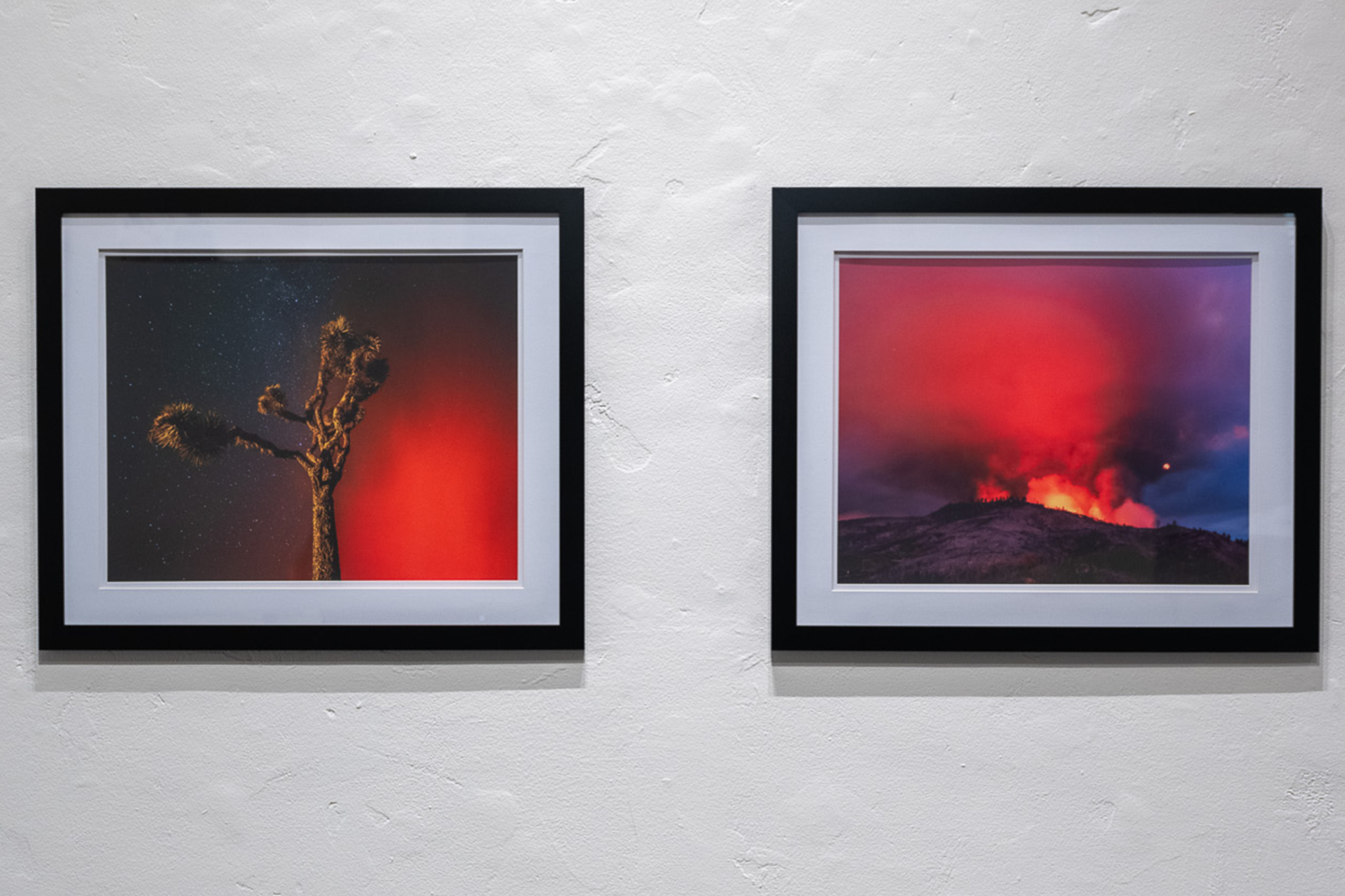
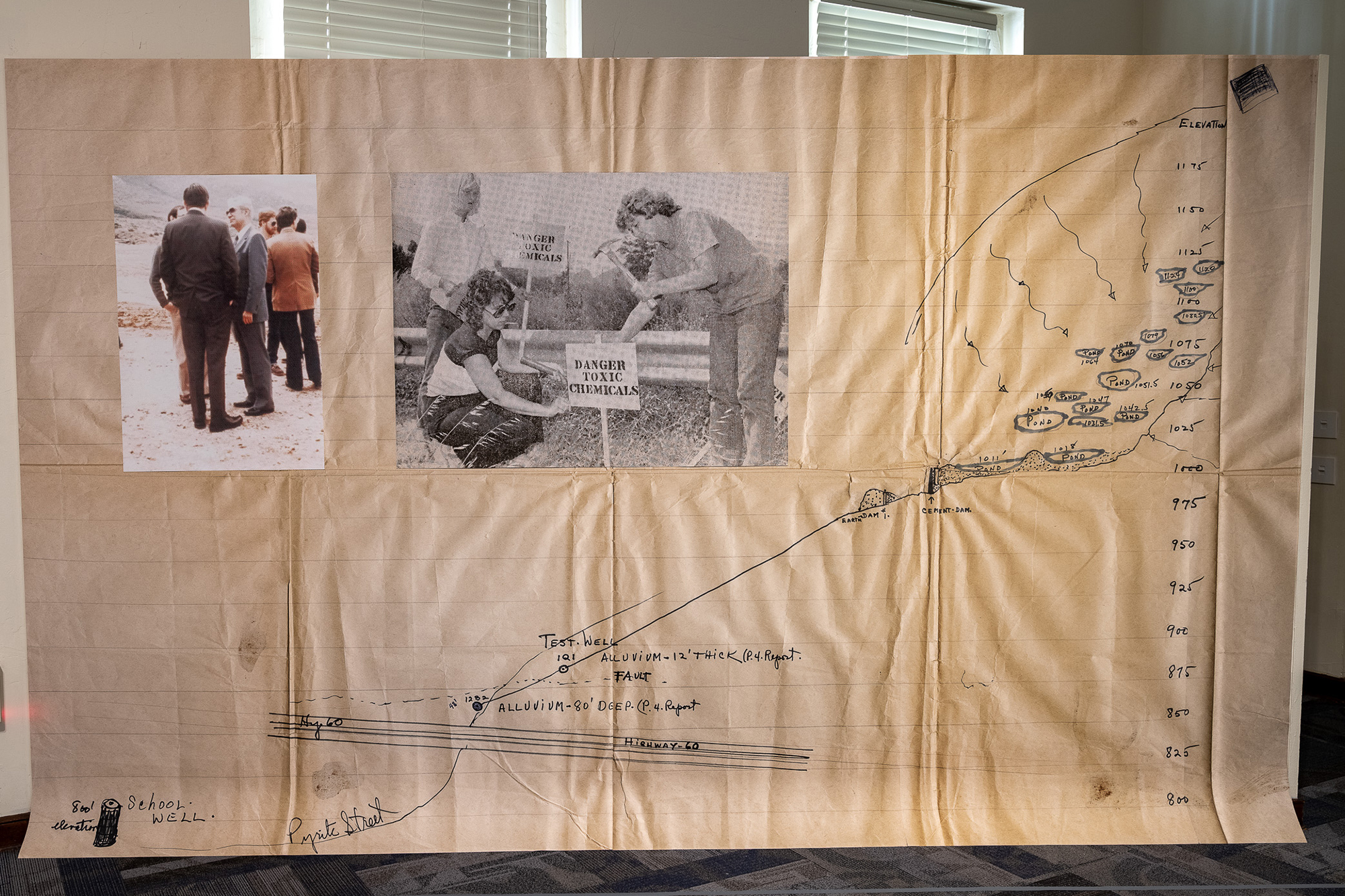
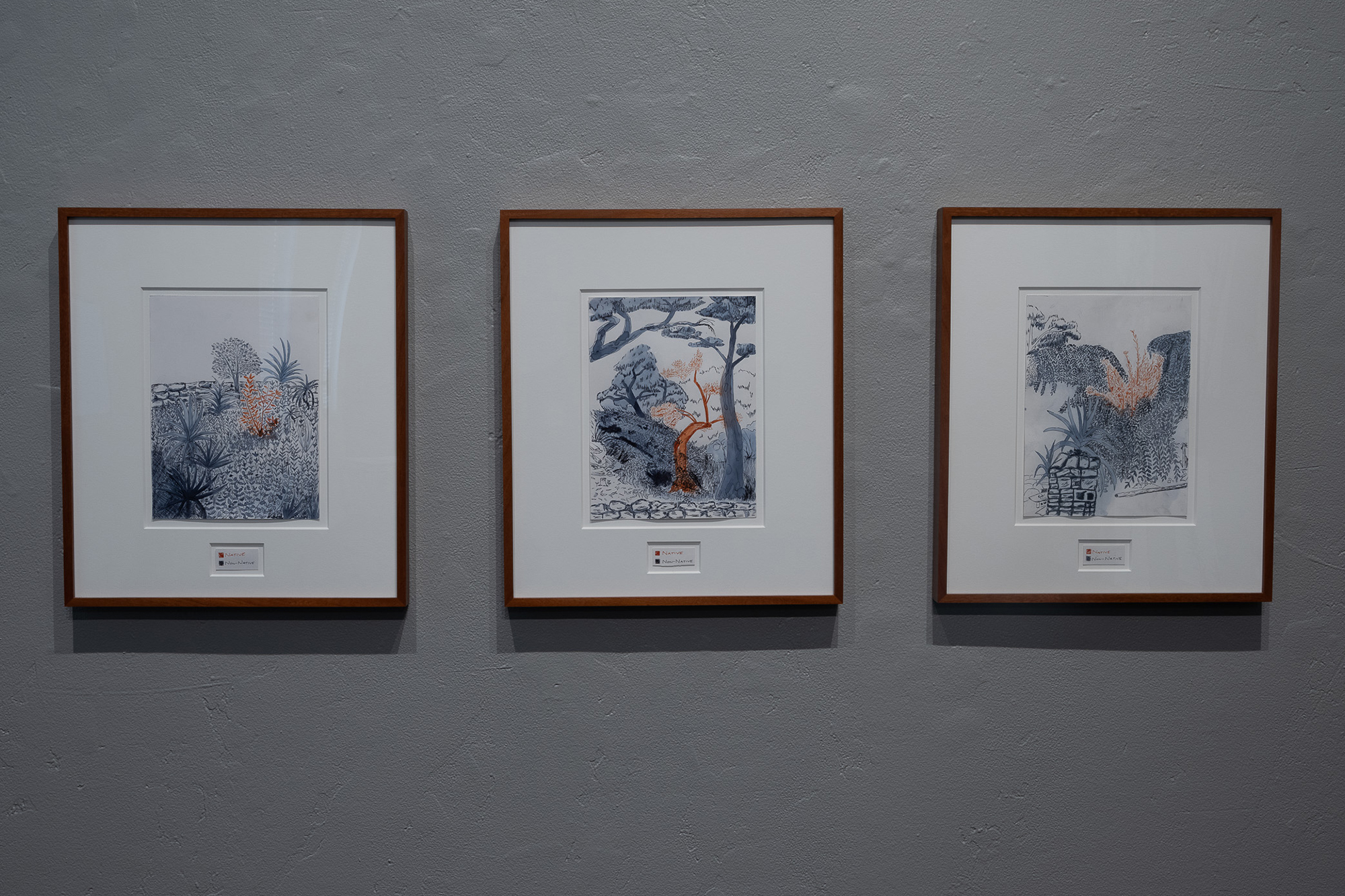
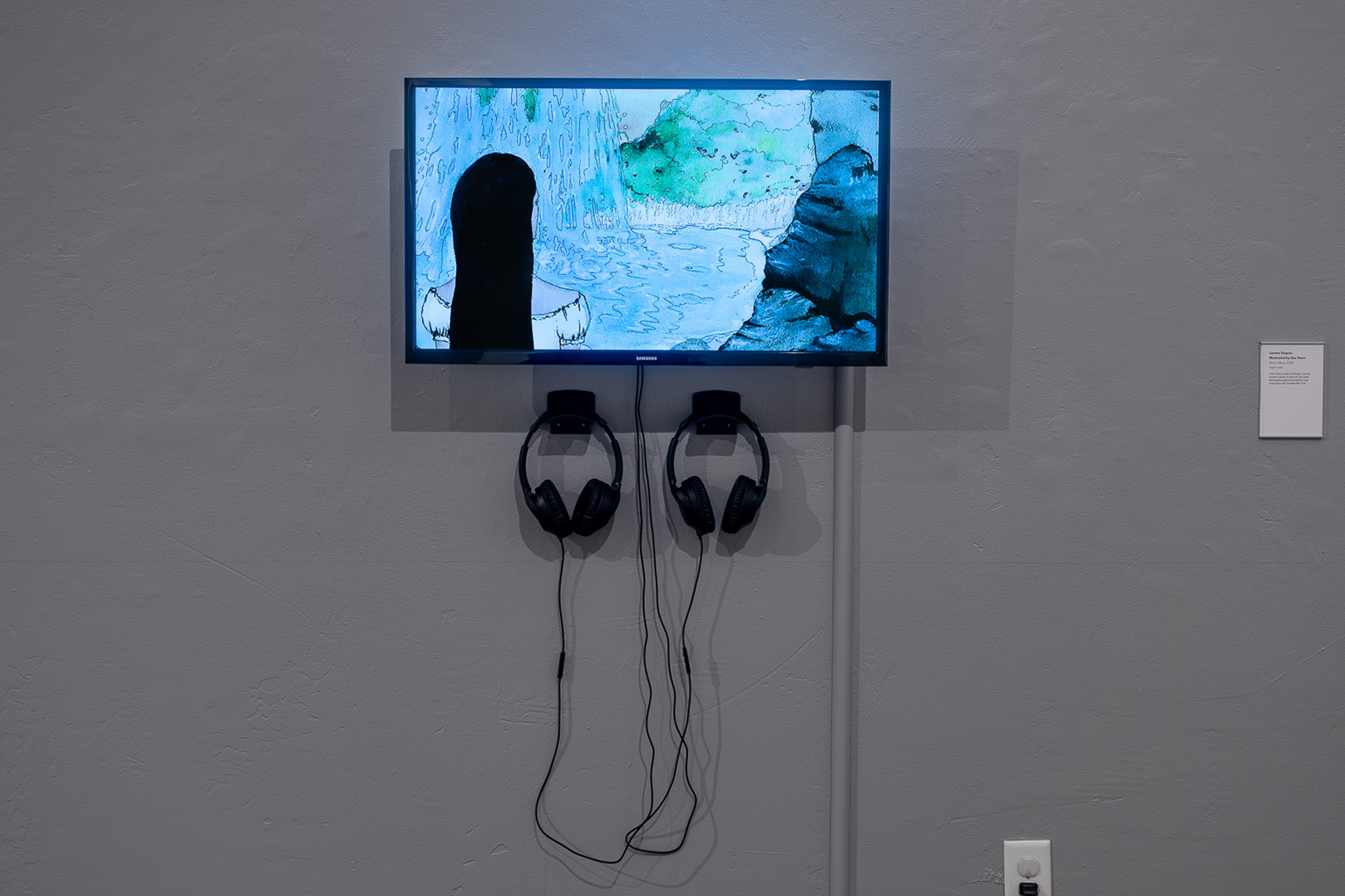
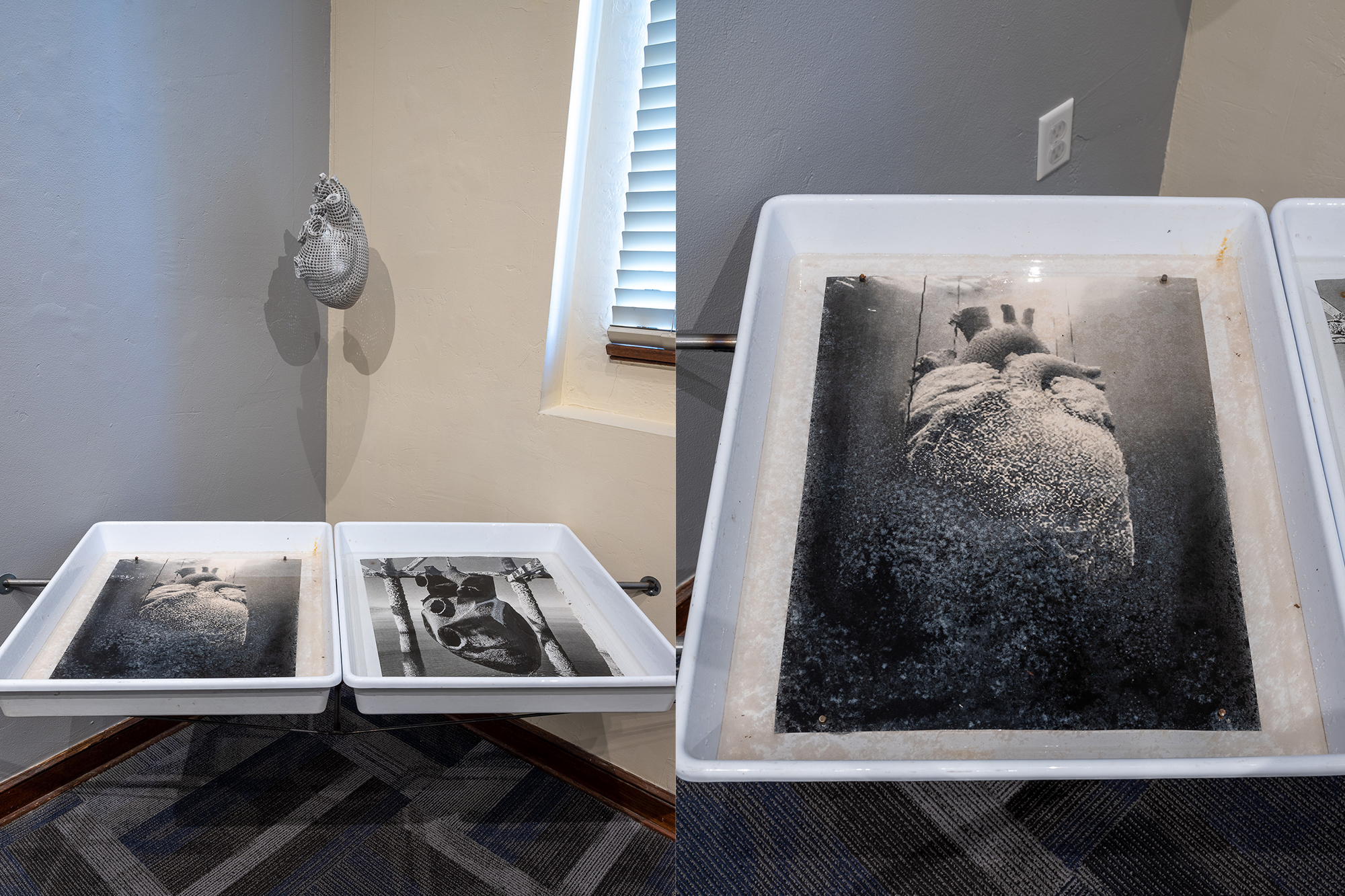
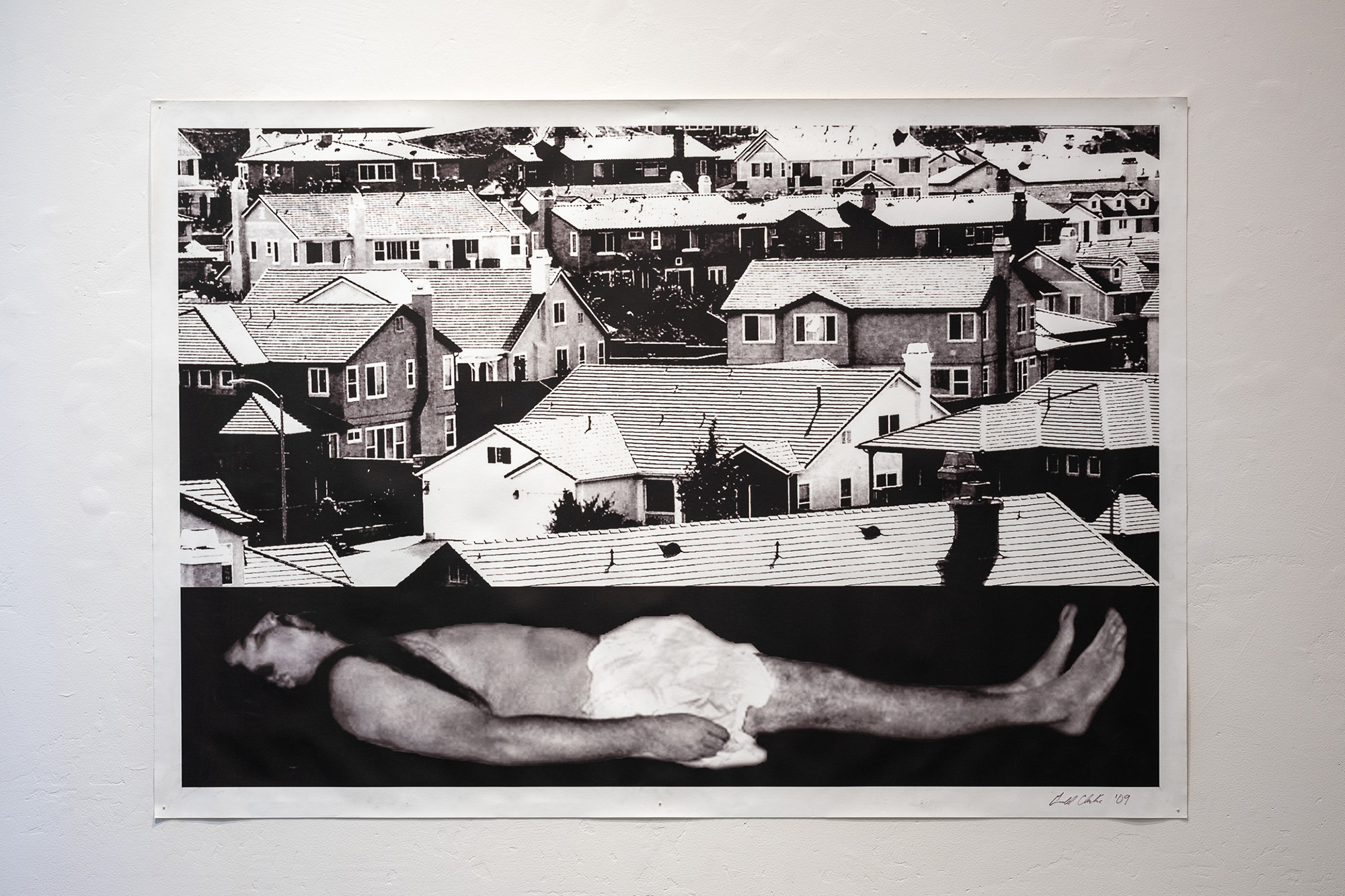
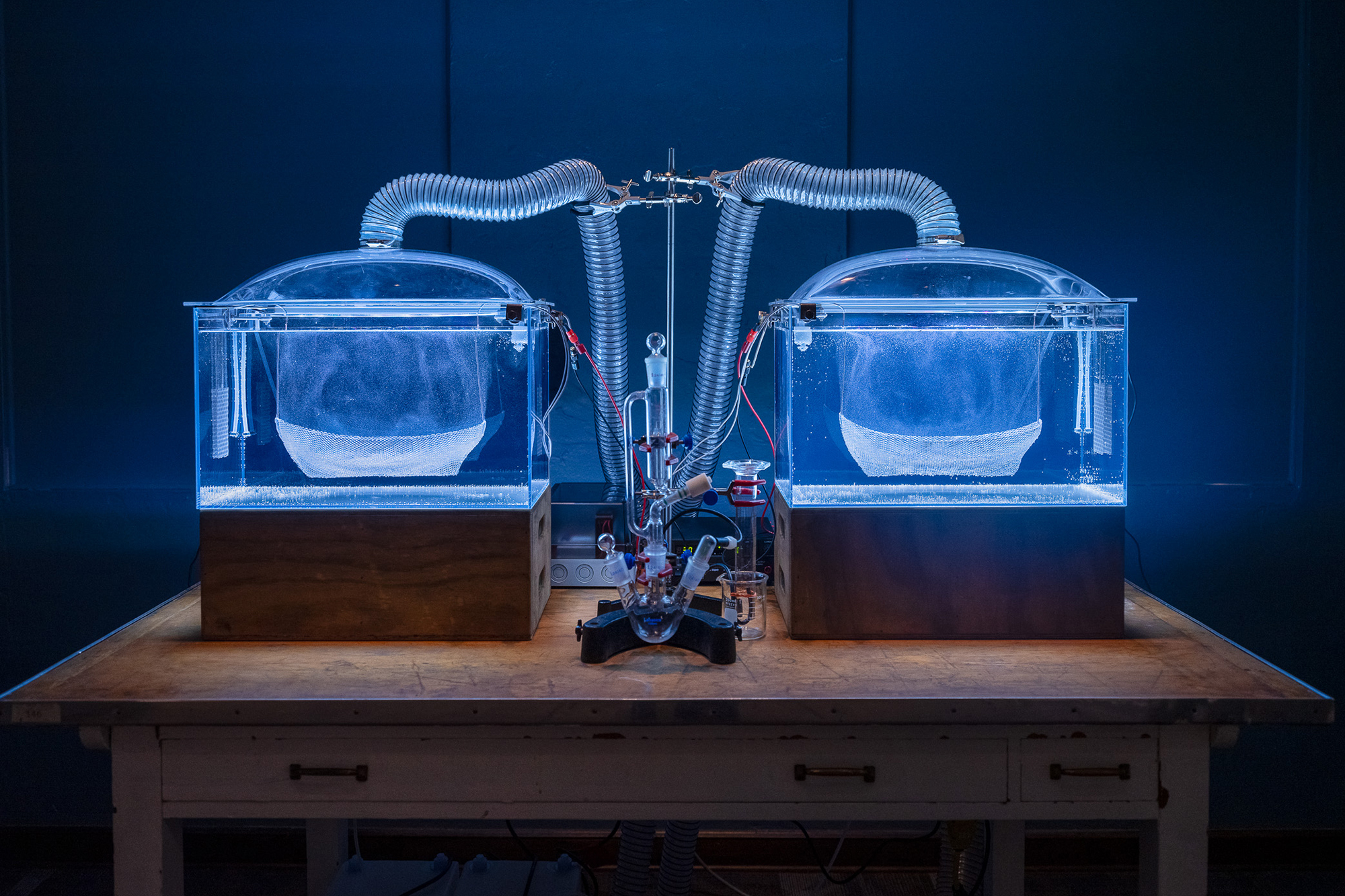
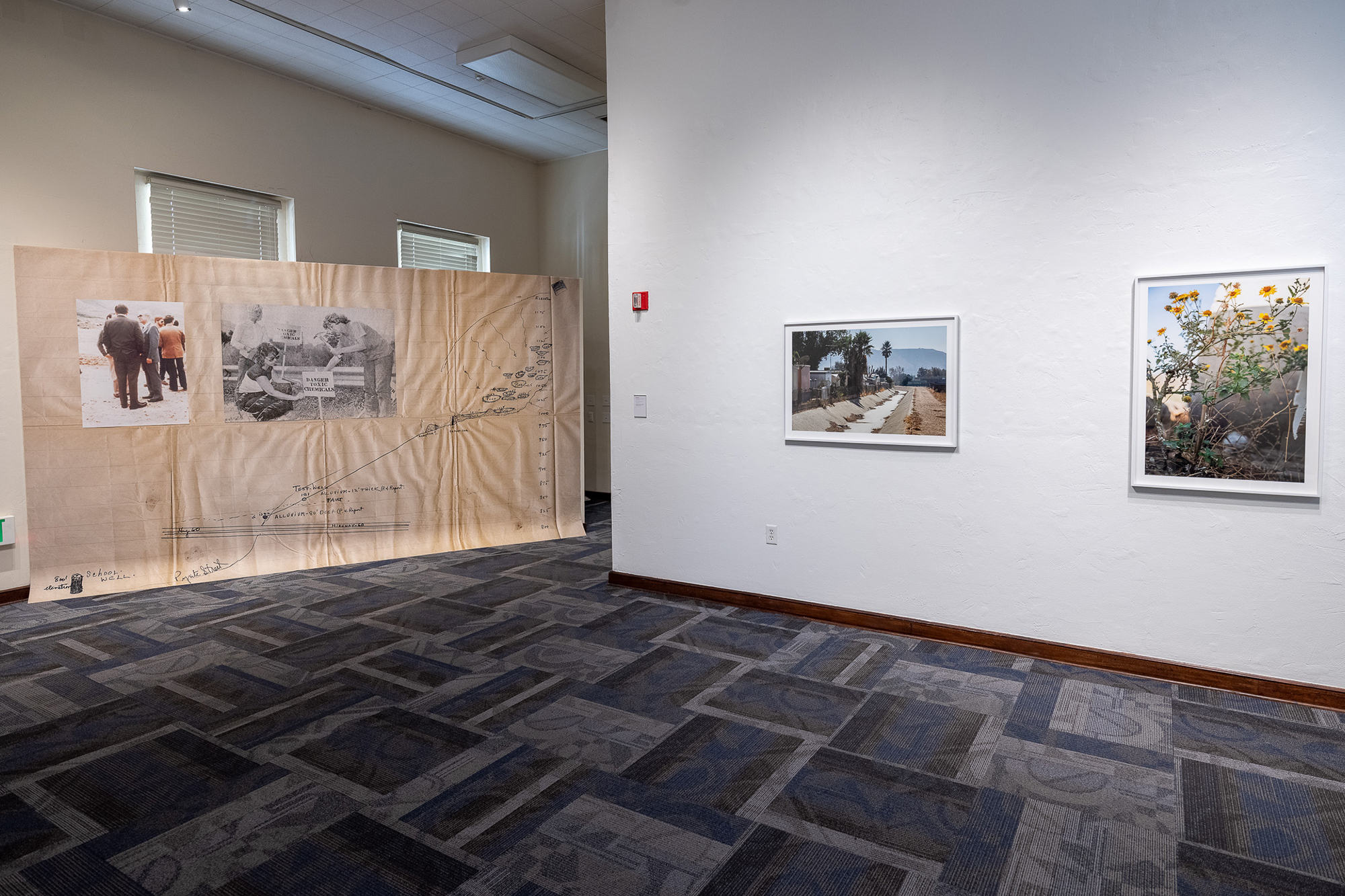
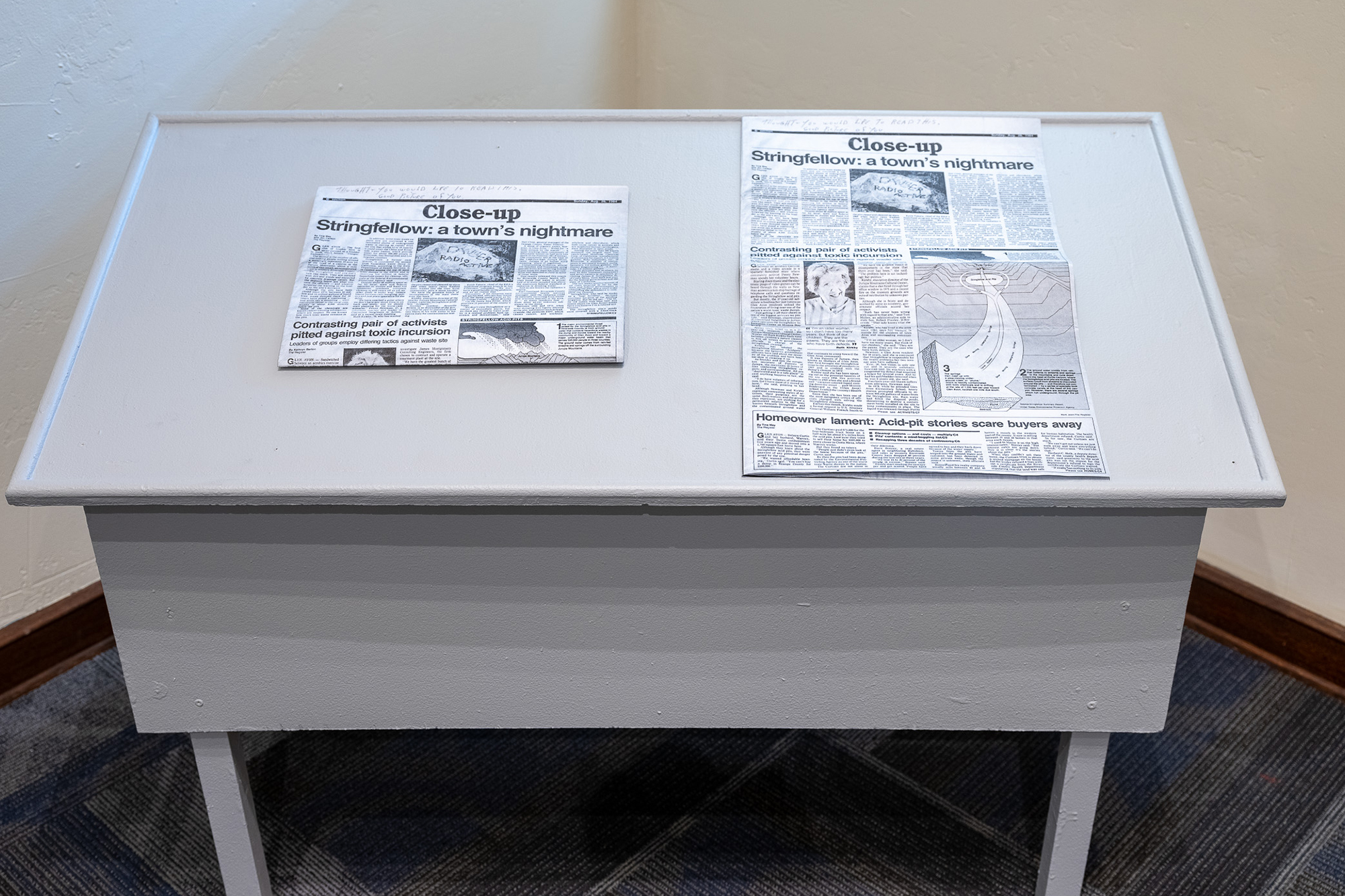
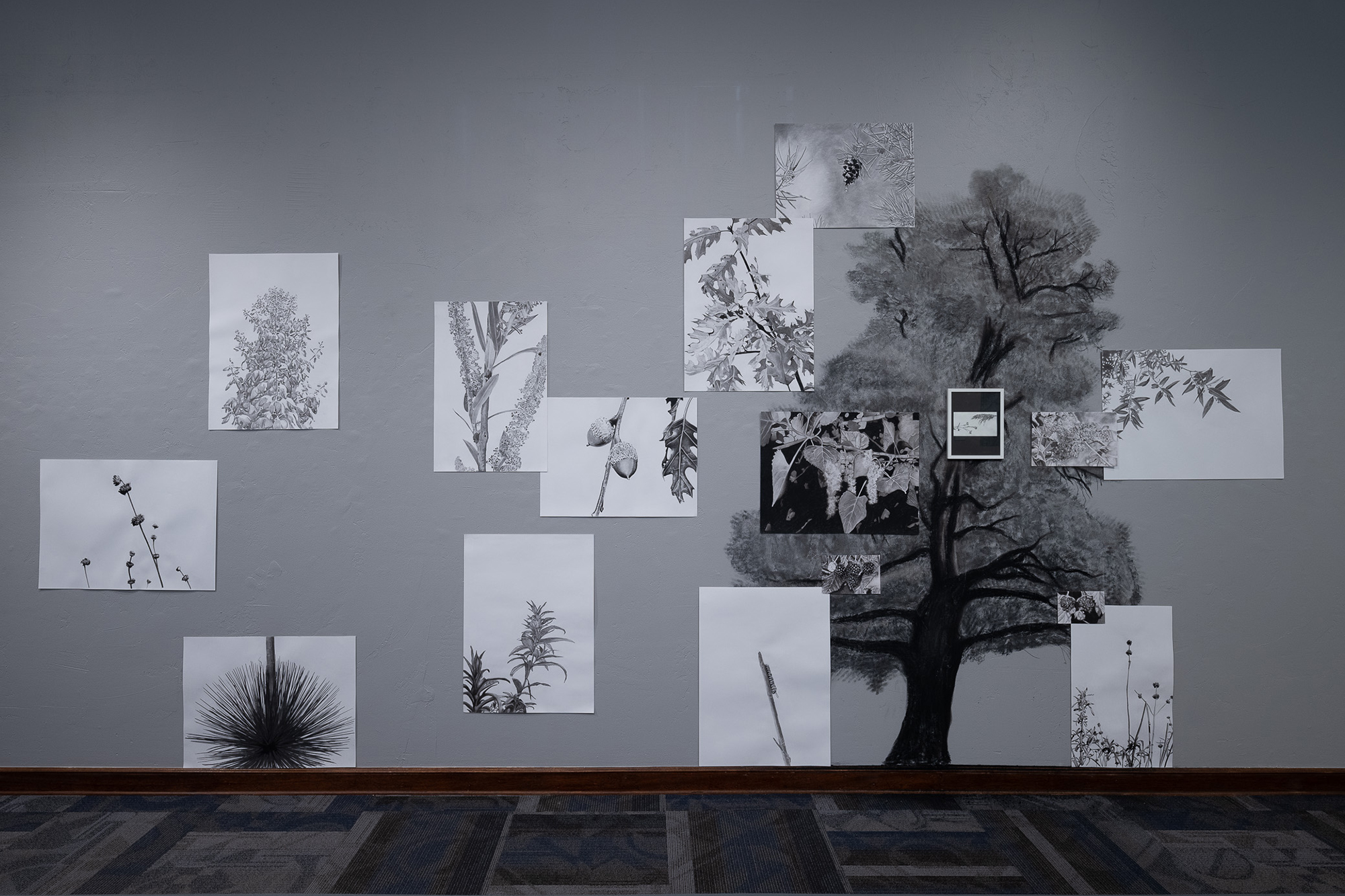
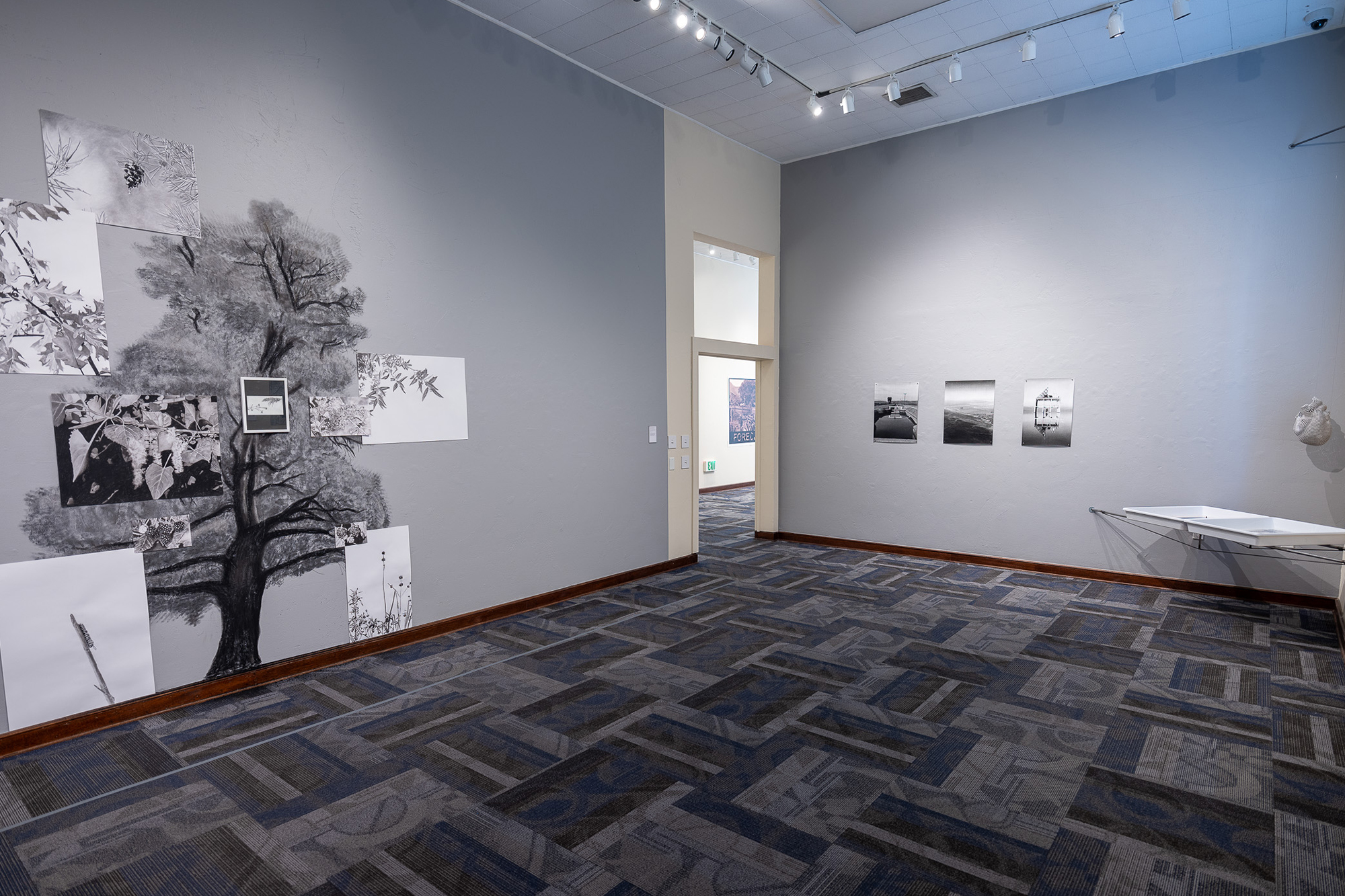
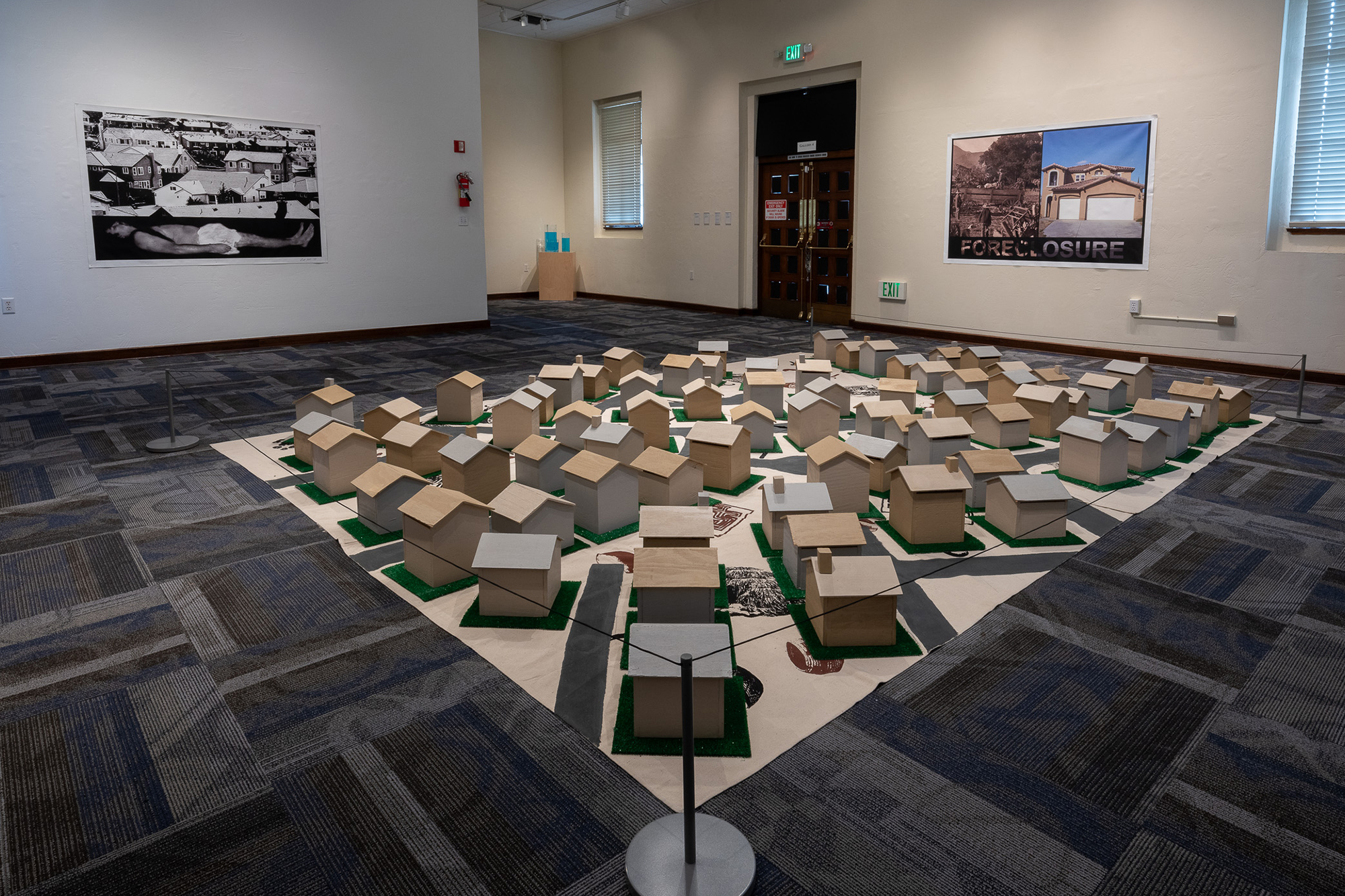
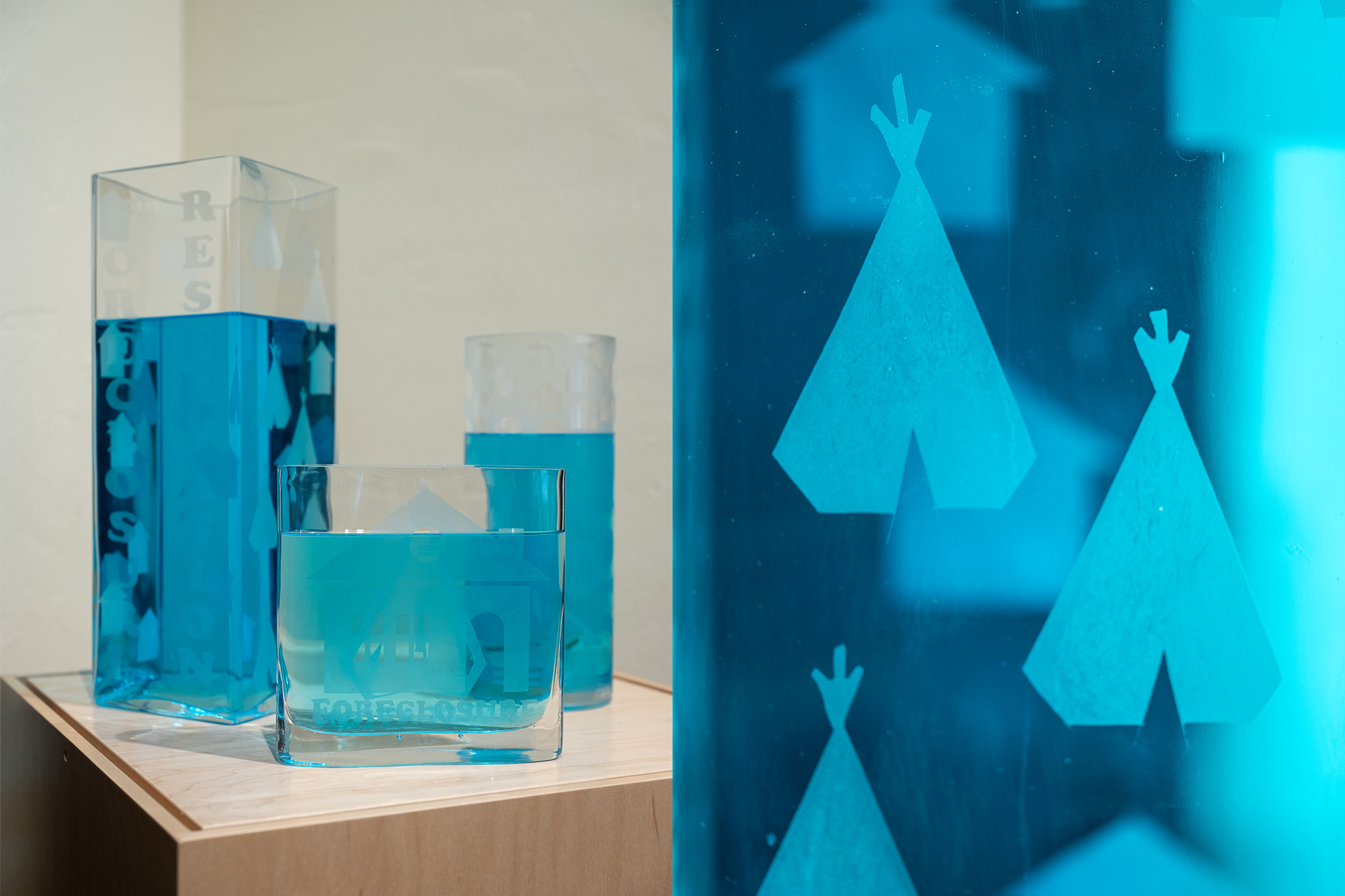
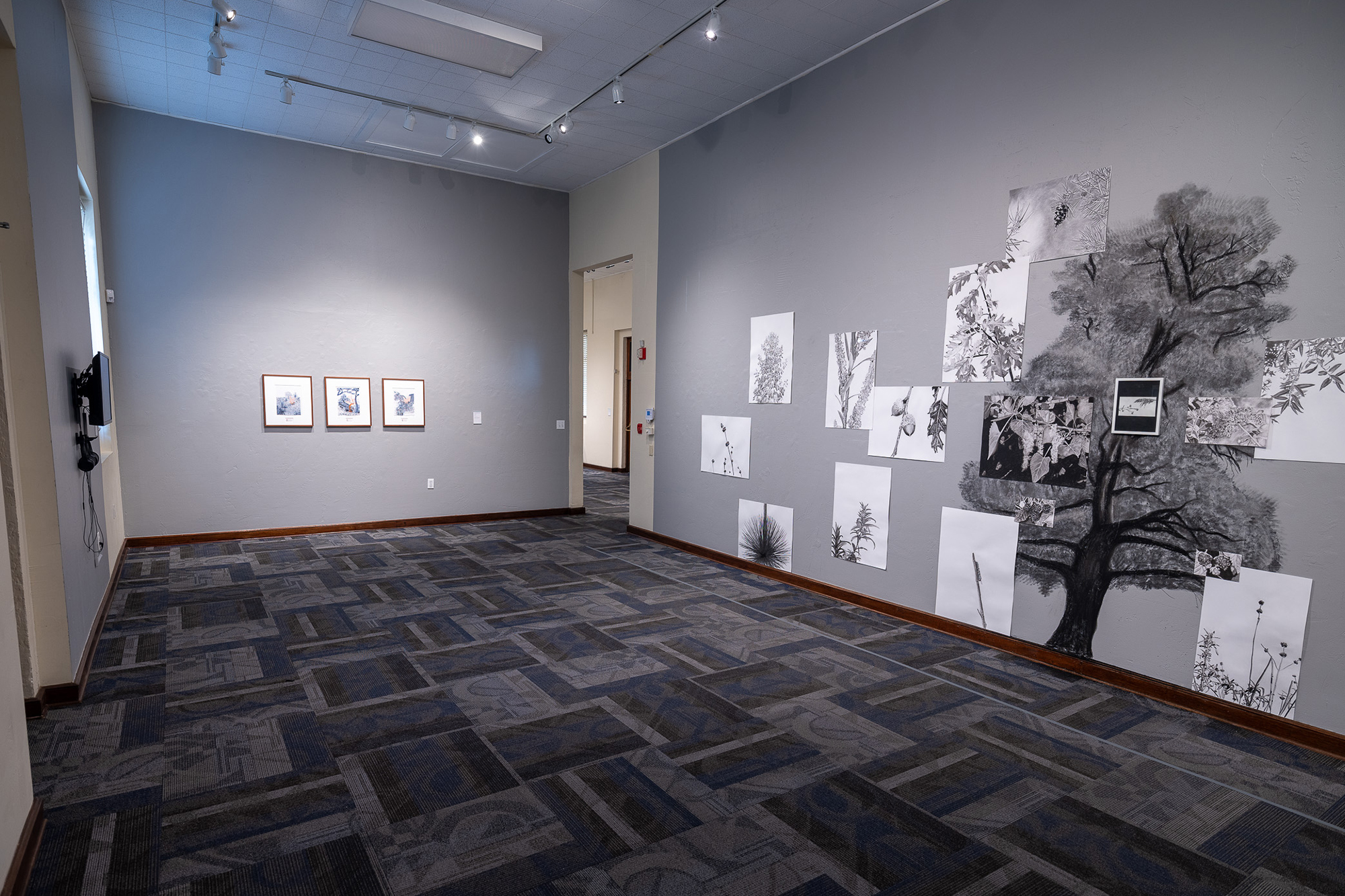
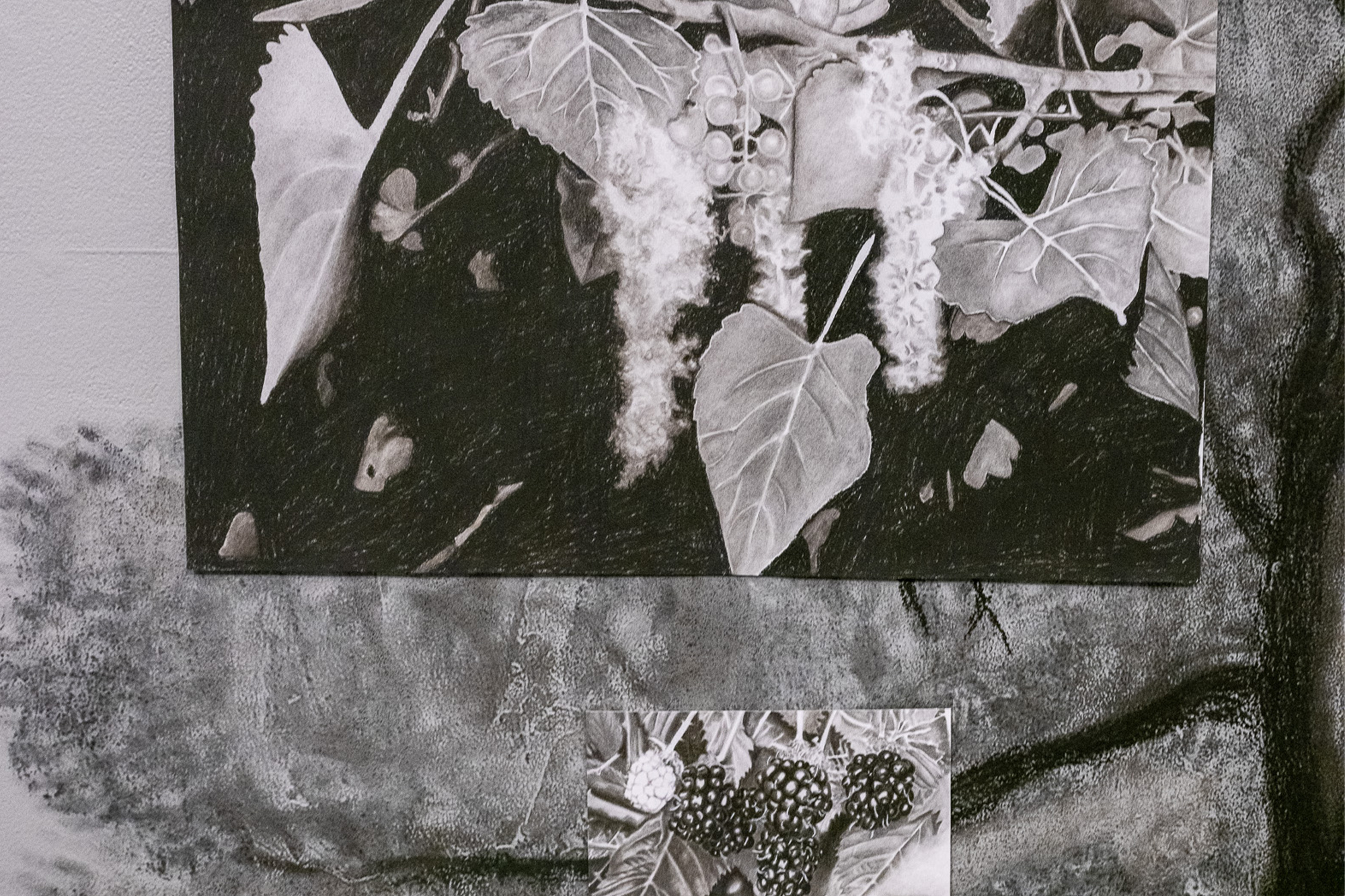
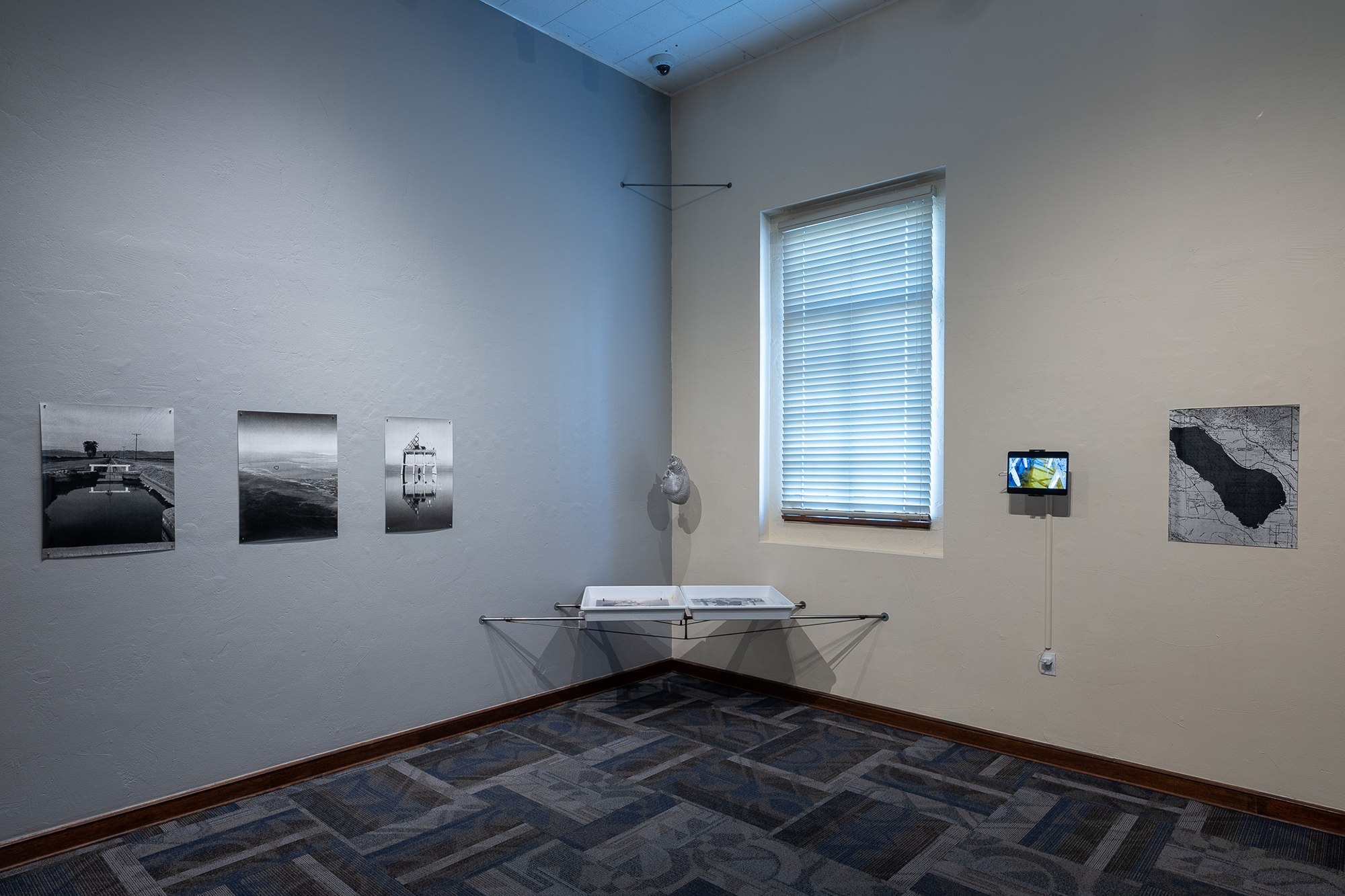
Human attempts to control water do so under the assumption that living systems are structured pyramidally, placing humans at the apex and all else beneath, available for our control as we see fit. The reality of course is that we are one small module in a vast, nodal and interconnected network of living systems. We are connected to all living beings (both human and more-than-human) in so many ways; none more profound than our connection through water. Through contemporary art works and archival materials, Conduit examines the ongoing impacts of colonial water diversion, and dares to speculate that a different future is possible.
Conduit was made possible in part by a grant from the Inland SoCal Creative Corps, a component fund at the Inland Empire Community Foundation.
Click on images below to view full screen.
Featuring Gerald Clarke, Lauren Bon and Metabolic Studio, Noe Montes, Samantha Morales Johnson, Stuart Palley, christy roberts berkowitz, Lorene Sisquoc
Cities world-wide are built around water. The rivers, lakes, wetlands and streams that sustained Indigenous peoples for millennia have been dammed, piped and diverted beyond recognition. Some bodies of water, including the Santa Ana and Los Angeles Rivers, have been corseted in concrete to support infinite expansion while attempting to nullify their strength; and in doing so attempting to strong-arm the natural world into supporting the ideology of infinite human growth.
The story of Ontario, CA, where this exhibition takes place, aligns with this history. Canadian brothers George Chaffey (1848-1932) and William Chaffey (1856 - 1926) recognized Southern California’s Mediterranean climate, when combined with ample access to water, could lead to the development of “agriburbs”: a dream of farming more closely related to middle-class country life than the skill and labor needed to build and maintain successful farms. However, during the era of westward expansion and boosterism, dreams were for sale. And the dream the Chaffeys sold was very much in demand. The establishment of “model irrigation colonies” relied upon purchasing land (and thereby acquiring water “rights”) at a low price, with the intention of diverting water from areas of plenty to arid lands; in this case from the foothills of Mount San Antonio to the areas now known as Ontario, Upland and Rancho Cucamanga. This idea of the “model irrigation colony” (as coined by the 1904 U.S. Geological Survey) spread far and wide, with dreams of infinite water in even the most inhospitable areas. This is clearly evidenced in Ontario’s bubbling fountain, commissioned in the city’s early years by Charles Frankish. Initially situated near the railroad tracks on Euclid Avenue , the fountain symbolized western prosperity: a seemingly endless flow of water.
Human attempts to control water do so under the assumption that living systems are structured pyramidally, placing humans at the apex and all else beneath, available for our control as we see fit. The reality of course is that we are one small module in a vast, nodal and interconnected network of living systems. We are connected to all living beings (both human and more-than-human) in so many ways; none more profound than our connection through water. Through contemporary art works and archival materials, Conduit examines the ongoing impacts of colonial water diversion, and dares to speculate that a different future is possible.
Conduit was made possible in part by a grant from the Inland SoCal Creative Corps, a component fund at the Inland Empire Community Foundation.
Click on images below to view full screen.
Featuring Gerald Clarke, Lauren Bon and Metabolic Studio, Noe Montes, Samantha Morales Johnson, Stuart Palley, christy roberts berkowitz, Lorene Sisquoc
Cities world-wide are built around water. The rivers, lakes, wetlands and streams that sustained Indigenous peoples for millennia have been dammed, piped and diverted beyond recognition. Some bodies of water, including the Santa Ana and Los Angeles Rivers, have been corseted in concrete to support infinite expansion while attempting to nullify their strength; and in doing so attempting to strong-arm the natural world into supporting the ideology of infinite human growth.
The story of Ontario, CA, where this exhibition takes place, aligns with this history. Canadian brothers George Chaffey (1848-1932) and William Chaffey (1856 - 1926) recognized Southern California’s Mediterranean climate, when combined with ample access to water, could lead to the development of “agriburbs”: a dream of farming more closely related to middle-class country life than the skill and labor needed to build and maintain successful farms. However, during the era of westward expansion and boosterism, dreams were for sale. And the dream the Chaffeys sold was very much in demand. The establishment of “model irrigation colonies” relied upon purchasing land (and thereby acquiring water “rights”) at a low price, with the intention of diverting water from areas of plenty to arid lands; in this case from the foothills of Mount San Antonio to the areas now known as Ontario, Upland and Rancho Cucamanga. This idea of the “model irrigation colony” (as coined by the 1904 U.S. Geological Survey) spread far and wide, with dreams of infinite water in even the most inhospitable areas. This is clearly evidenced in Ontario’s bubbling fountain, commissioned in the city’s early years by Charles Frankish. Initially situated near the railroad tracks on Euclid Avenue , the fountain symbolized western prosperity: a seemingly endless flow of water.
Human attempts to control water do so under the assumption that living systems are structured pyramidally, placing humans at the apex and all else beneath, available for our control as we see fit. The reality of course is that we are one small module in a vast, nodal and interconnected network of living systems. We are connected to all living beings (both human and more-than-human) in so many ways; none more profound than our connection through water. Through contemporary art works and archival materials, Conduit examines the ongoing impacts of colonial water diversion, and dares to speculate that a different future is possible.
Conduit was made possible in part by a grant from the Inland SoCal Creative Corps, a component fund at the Inland Empire Community Foundation.
Click on images below to view full screen.
Featuring Gerald Clarke, Lauren Bon and Metabolic Studio, Noe Montes, Samantha Morales Johnson, Stuart Palley, christy roberts berkowitz, Lorene Sisquoc
Cities world-wide are built around water. The rivers, lakes, wetlands and streams that sustained Indigenous peoples for millennia have been dammed, piped and diverted beyond recognition. Some bodies of water, including the Santa Ana and Los Angeles Rivers, have been corseted in concrete to support infinite expansion while attempting to nullify their strength; and in doing so attempting to strong-arm the natural world into supporting the ideology of infinite human growth.
The story of Ontario, CA, where this exhibition takes place, aligns with this history. Canadian brothers George Chaffey (1848-1932) and William Chaffey (1856 - 1926) recognized Southern California’s Mediterranean climate, when combined with ample access to water, could lead to the development of “agriburbs”: a dream of farming more closely related to middle-class country life than the skill and labor needed to build and maintain successful farms. However, during the era of westward expansion and boosterism, dreams were for sale. And the dream the Chaffeys sold was very much in demand. The establishment of “model irrigation colonies” relied upon purchasing land (and thereby acquiring water “rights”) at a low price, with the intention of diverting water from areas of plenty to arid lands; in this case from the foothills of Mount San Antonio to the areas now known as Ontario, Upland and Rancho Cucamanga. This idea of the “model irrigation colony” (as coined by the 1904 U.S. Geological Survey) spread far and wide, with dreams of infinite water in even the most inhospitable areas. This is clearly evidenced in Ontario’s bubbling fountain, commissioned in the city’s early years by Charles Frankish. Initially situated near the railroad tracks on Euclid Avenue , the fountain symbolized western prosperity: a seemingly endless flow of water.
Human attempts to control water do so under the assumption that living systems are structured pyramidally, placing humans at the apex and all else beneath, available for our control as we see fit. The reality of course is that we are one small module in a vast, nodal and interconnected network of living systems. We are connected to all living beings (both human and more-than-human) in so many ways; none more profound than our connection through water. Through contemporary art works and archival materials, Conduit examines the ongoing impacts of colonial water diversion, and dares to speculate that a different future is possible.
Conduit was made possible in part by a grant from the Inland SoCal Creative Corps, a component fund at the Inland Empire Community Foundation.
Click on images below to view full screen.
Featuring Gerald Clarke, Lauren Bon and Metabolic Studio, Noe Montes, Samantha Morales Johnson, Stuart Palley, christy roberts berkowitz, Lorene Sisquoc
Cities world-wide are built around water. The rivers, lakes, wetlands and streams that sustained Indigenous peoples for millennia have been dammed, piped and diverted beyond recognition. Some bodies of water, including the Santa Ana and Los Angeles Rivers, have been corseted in concrete to support infinite expansion while attempting to nullify their strength; and in doing so attempting to strong-arm the natural world into supporting the ideology of infinite human growth.
The story of Ontario, CA, where this exhibition takes place, aligns with this history. Canadian brothers George Chaffey (1848-1932) and William Chaffey (1856 - 1926) recognized Southern California’s Mediterranean climate, when combined with ample access to water, could lead to the development of “agriburbs”: a dream of farming more closely related to middle-class country life than the skill and labor needed to build and maintain successful farms. However, during the era of westward expansion and boosterism, dreams were for sale. And the dream the Chaffeys sold was very much in demand. The establishment of “model irrigation colonies” relied upon purchasing land (and thereby acquiring water “rights”) at a low price, with the intention of diverting water from areas of plenty to arid lands; in this case from the foothills of Mount San Antonio to the areas now known as Ontario, Upland and Rancho Cucamanga. This idea of the “model irrigation colony” (as coined by the 1904 U.S. Geological Survey) spread far and wide, with dreams of infinite water in even the most inhospitable areas. This is clearly evidenced in Ontario’s bubbling fountain, commissioned in the city’s early years by Charles Frankish. Initially situated near the railroad tracks on Euclid Avenue , the fountain symbolized western prosperity: a seemingly endless flow of water.
Human attempts to control water do so under the assumption that living systems are structured pyramidally, placing humans at the apex and all else beneath, available for our control as we see fit. The reality of course is that we are one small module in a vast, nodal and interconnected network of living systems. We are connected to all living beings (both human and more-than-human) in so many ways; none more profound than our connection through water. Through contemporary art works and archival materials, Conduit examines the ongoing impacts of colonial water diversion, and dares to speculate that a different future is possible.
Conduit was made possible in part by a grant from the Inland SoCal Creative Corps, a component fund at the Inland Empire Community Foundation.
Click on images below to view full screen.